

Structural Confidence: Why an Underpinned Home Sells Faster in a Shifting Market
In the 2026 Canadian real estate landscape, buyers have become significantly more risk-averse and technically savvy. Gone are the days when a fresh coat of paint and staged furniture were enough to spark a bidding war. Today’s purchasers look beneath the surface, prioritizing structural integrity and long-term viability over purely cosmetic upgrades. This shift has placed a massive premium on properties that feature professional basement underpinning. For a real estate agent, an underpinned foundation is a powerful selling feature that provides immediate "structural confidence" to everyone involved.
When a home has been underpinned, it tells a story of proactive maintenance and premium engineering. It transforms a standard basement into a reinforced concrete fortress that is ready for the next century. Buyers in competitive markets often fear the "unseen costs" associated with century homes and shifting soil. By presenting a home that has already been stabilized, you remove the biggest psychological barrier to a high-value offer. This article explores why underpinning is the ultimate real estate asset in a shifting market.
Eliminating the "Inspection Deal-Breaker"
One of the most common reasons a real estate deal collapses in 2026 is a negative home inspection report. Most older Canadian homes show signs of foundation settlement, such as wall cracks or uneven flooring. To an uneducated buyer, these issues look like catastrophic financial liabilities that could cost tens of thousands to fix. However, a home that has undergone basement underpinning comes with a clean bill of health. This documentation turns a potential "deal-breaker" into a solid proof point of the home’s superior value.
A professional underpinning project involves a structural engineer's oversight and municipal permits. These documents are gold for a seller during the disclosure phase of a transaction. They provide an "iron-clad" guarantee that the home’s base is stronger than its original construction. Buyers feel a sense of relief knowing that the foundation is no longer a variable. This certainty often leads to firm offers with fewer conditions, which is the ideal scenario for any seller.
Unlocking Marketable Square Footage
In high-density urban areas, the most valuable land is the land you already own beneath your feet. A typical basement in an older home often has low ceilings and a damp, cramped atmosphere. Underpinning literally deepens the home, allowing for 8-foot or 9-foot ceilings that transform the lower level. A real estate agent can then market the property as having significantly more "above-grade quality" square footage. This allows the home to be compared to larger modern builds rather than cramped historical cottages.
When you add two feet of vertical space, you change the entire utility of the house. A dark storage area becomes a bright family room, a home gym, or a high-end office. This extra space is often the deciding factor for families who have outgrown their current footprint but want to stay in an established neighbourhood. In 2026, where "price per square foot" is the king of metrics, this added volume translates directly to a higher listing price. It effectively doubles the livable area of many smaller detached or semi-detached homes.
High-Performance Windows and Doors in Lower Levels
A deeper basement is only marketable if it feels like a genuine living space rather than a storage room. Underpinning provides the necessary wall height to install oversized, high-performance windows and premium walk-out doors. These features are essential for meeting 2026 building codes regarding "egress," which ensures safety in case of emergencies. By upgrading to energy-efficient windows during the underpinning process, you flood the space with natural light. This transformation is what truly convinces a buyer that the basement is a primary part of the home.
Furthermore, the quality of these windows and doors affects the thermal comfort of the entire house. Modern, triple-pane glass prevents the "basement chill" that is so common in traditional Canadian homes. When a buyer walks down the stairs and feels the same warmth as the main floor, the "basement stigma" disappears. Large windows also provide views of the landscaping, making the lower level feel connected to the rest of the property. This visual and thermal continuity is a major selling point that distinguishes a premium renovation from a basic one.
The "Mortgage Helper" and Income Potential
With 2026 interest rates requiring creative financing, buyers are constantly looking for homes with "mortgage helper" potential. An underpinned basement provides the necessary ceiling height to meet strict municipal building codes for legal secondary suites. A legally habitable basement is worth significantly more than an "in-law suite" that lacks proper height. For a buyer, the ability to rent out the lower level can be the difference between affordability and rejection. Consequently, underpinned homes often attract a wider pool of motivated investors and first-time buyers alike.
The income generated from a legal basement suite can often cover a significant portion of the monthly mortgage payment. In cities like Toronto or Vancouver, this "secondary income stream" is often the only way young families can enter the market. Real estate agents prioritize these listings because they are "easier to sell" to lenders and appraisers. An underpinned home with a legal suite is viewed as a "cash-flow positive" asset rather than just a liability. This financial leverage makes the property highly resistant to market downturns.
Modernizing the Mechanical "Guts" and Entryways
The process of underpinning usually involves more than just pouring new concrete footings. Because the floor is being excavated, it is the perfect time to modernize the home's "guts," including plumbing and drainage. It is also the ideal moment to install a separate, secure entrance door for a potential tenant or extended family. Modern, insulated doors improve the home's overall thermal envelope while providing the privacy required for multi-generational living. Buyers appreciate knowing that the most expensive "invisible" systems and entry points are brand new.
During the excavation, homeowners can install a "backwater valve" and a high-capacity sump pump system. These are critical components of a 2026 "flood-ready" home, which is a major concern for insurance companies. A buyer who sees new plumbing stacks and a dry, underpinned foundation feels a sense of long-term security. They know they won't have to deal with sewer backups or failing clay pipes for decades. This modernization adds a layer of "invisible value" that becomes very visible during the negotiation phase.
Future-Proofing Against Climate Volatility
In 2026, climate resilience has moved from a buzzword to a mandatory requirement for home value. Canadian provinces are seeing more extreme freeze-thaw cycles and intense rain events that put immense pressure on foundations. An underpinned home is anchored deeper into the earth, reaching more stable soil or even bedrock. This prevents the "heaving" and "settling" that causes windows to stick and doors to jam in older homes. A house that stays level despite the weather is a house that stays valuable.
When you invest in the foundation, you are also protecting the high-end finishes on the upper floors. Plaster walls won't crack, and hardwood floors won't slope if the base of the house is immovable. Buyers are becoming more educated about "hydrostatic pressure" and soil conditions. They understand that a deeper, reinforced foundation is the best defence against a changing environment. This "climate-proofing" makes your home a safer bet for buyers and their insurance providers alike.
Investing in the Footings
In 2026, the savvy homeowner understands that the best return on investment starts at the bottom. Basement underpinning is no longer just a luxury renovation; it is a strategic real estate move. It provides the "structural confidence" that buyers crave and the legal compliance that modern lenders demand. By working with a knowledgeable real estate agent to highlight these assets, sellers can command top-tier pricing.
If you are looking to maximize your home's equity, don't just look at the kitchen or the curb. Consider the strength and depth of your foundation as your primary selling tool. A home that is underpinned and outfitted with quality windows and doors is built to last. It is the ultimate statement of quality that resonates with every buyer. This combination of structural strength and modern light ensures your property stands out in any market condition.

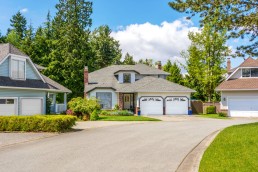
From the Roofline to the Foundation: The Two Pillars of a Safe, Stable Home
A well-built home is a system of interconnected components working together to provide safety, durability, and comfort. From the topmost shingles to the deepest structural supports, every part plays a role. While homeowners often focus on visible features such as interior finishes, long term stability depends on less glamorous but critically important structural elements.
1. Roofing: Your First Line of Defense Against the Elements
A home’s roof does far more than complete its silhouette. It stands as the primary shield between the interior living space and the full force of external weather. Rain, snow, wind, and ultraviolet radiation all challenge the durability of roofing materials, making high-quality installation and regular maintenance essential for long-term protection. The structural integrity of the roof not only prevents water intrusion but also contributes to energy efficiency by reducing heat transfer and guarding against drafts.
Modern roofing systems are designed to be resilient, incorporating underlayment layers, proper ventilation, and durable shingles or panels. However, even the strongest materials degrade over time. Small issues, such as curling shingles, damaged flashing, or loose fasteners, can allow moisture to seep into the attic. Once water gets beneath the roofline, it can trigger insulation damage, mold growth, and wood rot. For this reason, proactive inspections are vital. By identifying early signs of wear, homeowners can prevent minor concerns from becoming costly structural problems.
The roof also plays a significant role in the home’s overall envelope. A tight, well-maintained roofing system supports thermal stability, reducing heating and cooling costs throughout the year. When paired with efficient windows and doors, the roof helps create a balanced and tightly sealed environment that enhances indoor comfort and protects the home’s structural framework.
2. Foundation Stability Through Basement Underpinning
While the roof shields from above, the foundation supports every structural component from below. Over time, ground movement, soil erosion, moisture changes, and original construction limitations can compromise this critical base. Basement underpinning offers a solution by strengthening or deepening the foundation to improve stability, increase load-bearing capacity, and address settlement issues.
Underpinning is not simply a repair technique; it is a foundational enhancement that ensures the entire structure remains level and secure. When a home experiences uneven settling, symptoms may include cracks in interior walls, gaps around window frames, or floors that noticeably slope. Left unaddressed, these issues can worsen, leading to structural strain and potentially unsafe conditions. Underpinning reverses or prevents these problems by reinforcing the ground beneath the home with updated supports or deeper footings that reach more stable soil layers.
Beyond structural reinforcement, basement underpinning can also expand usable space. Homeowners may choose to lower the basement floor during the process, creating additional headroom and opening new opportunities for storage, living space, or mechanical access. Whether performed for safety, functionality, or both, underpinning strengthens one of the most essential components of the home’s structure.
Just as roofing provides the topmost layer of protection, a stable foundation ensures that the entire building remains resilient against shifting earth and moisture pressure. Together, these components form the vertical pillars of a home’s long-term stability.
3. Windows and Doors: Sealing the Home’s Protective Envelope
Between the top and bottom of the structure lies another crucial system: the windows and doors that help seal the building envelope. Although they might appear secondary compared to roofing or foundation work, high-quality windows and doors play an essential role in maintaining comfort, efficiency, and structural wellness.
Windows and doors act as controlled openings that balance light, ventilation, and energy performance. When properly installed and sealed, they prevent drafts and moisture from entering the home. Poorly fitted or aging units, however, can undermine even the best roofing or foundation efforts. Moisture infiltration at window perimeters can damage walls while air leakage contributes to temperature imbalances, forcing HVAC systems to work harder than necessary.
Modern energy-efficient windows and doors use advanced materials and insulated glazing to limit heat transfer and reduce condensation. Their improved weather stripping and locking mechanisms help create a tight seal, reinforcing the home’s overall envelope. By integrating strong windows and doors with a durable roofing system and a stable foundation, homeowners create a cohesive barrier that protects against the elements on all fronts.
A safe and stable home is the product of interconnected systems working in harmony. Strong roofing guards from above, basement underpinning fortifies from below, and high-quality windows and doors seal the spaces in between. By investing in these three essential components, homeowners create a durable, energy-efficient, and weather-resistant home that’s designed to stand strong for generations.

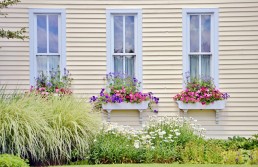
Double the Impact: Why Replacing Windows and Siding Together Maximizes Value
Homeowners often look for ways to improve comfort, reduce energy costs, and enhance curb appeal without overspending. Two of the most effective home improvement projects that accomplish these goals are window replacement and new siding installation. While each project delivers strong individual benefits, combining them creates a synergy that maximizes value, boosts energy efficiency, and transforms your home’s appearance. If you’re considering either project, tackling both at once could be the smartest move for your home and budget.
Unified Curb Appeal: A Complete Exterior Transformation
Curb appeal matters—not only for pride of ownership but also for resale value. When you replace windows and siding at the same time, you’re able to achieve a cohesive look that can’t be matched when the projects are done separately.
Matching old siding with new windows (or vice versa) can sometimes lead to mismatched colours, styles, or materials that detract from your home’s overall design. By coordinating both elements together, you can choose complementary colors, trim styles, and finishes that give your exterior a polished, intentional look.
For example, sleek modern windows can pair beautifully with smooth fiber cement siding while traditional wood-framed windows can look best with lap or shake-style siding. Doing both projects together helps ensure a seamless upgrade, making your home look brand new rather than piecemeal.
Energy Efficiency: Sealing in Comfort and Savings
One of the biggest advantages of combining siding and window replacement is the improvement in energy performance. Windows and siding work together to form your home’s thermal envelope: the barrier that keeps indoor air in and outdoor air out. If either component is outdated or inefficient, your energy bills can suffer.
When both are upgraded simultaneously, contractors can better seal and insulate the areas where the two meet, eliminating gaps that often cause drafts and heat loss. This comprehensive approach results in:
- Improved insulation: New siding systems often include insulation layers that work in tandem with energy-efficient windows to stabilize indoor temperatures year-round.
- Lower utility bills: When air leakage and thermal transfer are minimized, heating and cooling systems run more efficiently.
- Enhanced comfort: Draft-free rooms and consistent indoor temperatures make for a more pleasant living environment.
In short, you get a home that looks better and performs better—something that’s harder to achieve when upgrading one feature at a time.
Simplified Installation and Lower Labour Costs
From a practical standpoint, doing both projects at once can also reduce construction costs and project time. When contractors replace windows and siding together, they can coordinate schedules, share scaffolding and equipment, and streamline installation around the same work zones.
If you were to do these projects separately, the contractor might have to remove sections of new siding to fit replacement windows or risk damaging old siding during a future window upgrade. This adds unnecessary labour, materials, and disruption.
By combining both improvements, you avoid redundant work, reduce labour expenses, and limit the overall inconvenience of home renovation. It’s a more efficient process in every sense.
Greater Return on Investment
Buyers value homes that are energy-efficient, low maintenance, and visually cohesive. A freshly sided home with brand-new windows signals that the property has been well cared for and updated for modern living.
Additionally, the combined improvements may qualify you for energy-efficiency tax credits or rebates, depending on your location and product choices, which can boost the value equation.
Long-Term Durability and Peace of Mind
Pairing these two projects also helps protect your investment over time. When new windows and siding are installed together, the flashing, trim, and weatherproofing can be properly integrated, creating a more watertight, durable exterior.
Older windows or mismatched materials can lead to leaks or moisture infiltration behind the siding, causing rot and costly repairs. Installing both systems together helps ensure that each element is fitted and sealed according to the latest building standards, giving you years of worry-free performance.
It’s also a great opportunity to modernize with advanced materials, such as composite or vinyl siding paired with double- or triple-pane windows that resist fading, warping, and condensation. Together, they create a protective shell that looks beautiful and stands up to the elements.
Replacing your siding and windows at the same time can be a strategic investment in your home comfort, efficiency, and long-term value. From cohesive design and energy savings to simplified installation and improved ROI, the advantages are undeniable. If you’re planning a major exterior renovation, consider tackling both projects together. It might save you time and maximize your budget.
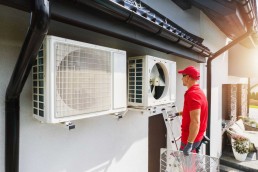
The Hidden Link Between Roof Leaks and HVAC Damage
When a homeowner spots a water stain on the ceiling, the first call is typically to a roofing professional. But the damage you can see is often just the tip of the iceberg. The silent, hidden journey of that water through the attic could be setting the stage for a much more expensive failure—the breakdown of your HVAC system. The attic is the unseen hub of the home, housing critical components for both the roof's structure and the home's heating and cooling. A failure in one system directly impacts the other. This post will uncover the hidden link between roof leaks and HVAC damage, tracing the path of water from a single missing shingle to the destruction of ductwork, insulation, and even the unit itself, often leading to an emergency call to an HVAC company and thousands in unexpected repairs.
The Silent Intruder: Water's Path Through the Attic
The journey of a destructive leak often begins with a small, seemingly insignificant breach in the roof, such as a cracked shingle or failing flashing, that is often invisible from the ground. This opening allows water to seep past the primary defences and onto the roof deck. Once inside the attic, gravity takes over, but the path of the water is not always straightforward. It does not always drip straight down to create an obvious ceiling stain in the room below.
Instead, water will often run along the slope of rafters, trusses, and ceiling joists, travelling silently and horizontally across the attic. It follows the path of least resistance until it finds a low point to pool or a place to drip. Frequently, these low points are exactly where heavy HVAC equipment and the network of ductwork are installed. This turns the attic into the primary scene of a crime where a roofing problem begins a slow and silent assault on the home's mechanical systems.
Target #1: The Corrosion and Contamination of Ductwork
A hidden roof leak's first and most common target is the home's ductwork. Persistent moisture from a slow leak is a direct enemy of metal ducts, causing them to rust from the outside in. Over time, this corrosion can create holes and separate the seams. When this happens, a significant amount of conditioned air—both heated and cooled—leaks directly into the unconditioned attic space. This is a massive waste of energy. It drives up utility bills and reduces the system's efficiency.
Beyond the physical damage, the dark, damp environment creates another problem. The leak turns the ductwork's exterior into a perfect breeding ground for mould and mildew. When the HVAC system kicks on, the airflow can draw these mould spores into the compromised ducts through the newly formed holes. The system then becomes a superhighway for contaminants, blowing polluted air throughout the entire house. This creates a serious indoor air quality issue. The problem gets worse if the home's envelope is not properly sealed. Leaky windows and doors can create negative pressure, which helps pull the contaminated air from the attic into the living spaces below.
Target #2: The Soaking and Failure of Insulation
The attic's insulation is one of the home's most important energy-saving features, and a roof leak can neutralize it completely. Attic insulation, whether it is fibreglass batts or blown-in cellulose, works by trapping millions of tiny air pockets. These pockets are what slow the transfer of heat. When insulation becomes saturated with water from a leak, it compresses and loses its loft. The air pockets collapse, and its insulating R-value is completely destroyed, turning it into a damp, useless mat.
This failure connects directly to HVAC damage. With the attic insulation compromised, the home loses a massive amount of conditioned air through the ceiling. This forces the furnace in the winter and the air conditioner in the summer to run almost constantly to keep up with the thermostat's demands. This excessive runtime leads to premature wear and tear on critical components like blower motors, capacitors, and compressors. It results in significantly higher energy bills and can shorten the expensive system's operational lifespan by years.
Target #3: The Direct Assault on the HVAC Unit
The worst-case scenario occurs when the roof leak is positioned directly over the HVAC equipment itself. In many homes, the air handler or furnace is located in the attic to save space in the main living areas. A direct and persistent drip of water onto this complex piece of machinery is catastrophic. The risks are both electrical and mechanical, and the damage can be swift and severe.
Water can short out sensitive electronic control boards, which are the brains of the entire system. It can rust and seize safety sensors, causing the unit to malfunction or shut down entirely. It can also infiltrate the blower motor assembly, leading to seizure and burnout. These are not minor fixes that can be easily repaired; they are often critical failures that can necessitate a full system replacement. This is how a simple roofing repair, if neglected, can cascade into a five-figure home disaster.
A Roof Inspection Is an HVAC Inspection
The destructive chain reaction is clear: a roof leak leads to wet insulation and ducts, which in turn leads to an overworked HVAC system, poor air quality, and, ultimately, direct water damage and catastrophic system failure. Regular roof maintenance should not be viewed merely as a way to prevent ceiling stains, but as a crucial form of preventive care for the entire HVAC system. A strong building envelope, from a sound roof down to properly sealed windows and doors, works as a single, integrated system to protect the home's vital and expensive mechanicals. Do not wait for a water stain to tell you there is a problem. A professional roof inspection is one of the smartest, most cost-effective ways to protect your HVAC system from a silent and expensive threat. Think of it as an investment in your roof, your comfort, and your peace of mind.

The Value of Choosing Premium Materials for Long-Term Benefits
When it comes to upgrading your home, choosing premium materials is more than a cosmetic decision—it’s an investment in long-term durability, energy efficiency, and overall value. From upgrading your metal roofing to working on a window replacement project for your outdated windows or resurfacing your concrete driveways, using high-quality materials ensures that your home will withstand the elements, require less maintenance, and deliver better performance for years to come. Whether you’re enhancing your roof, driveway, or windows, these upgrades can transform your property into a more efficient, beautiful, and sustainable space.
Let’s explore three key upgrades that highlight the advantages of choosing premium materials: metal roofing, concrete driveways, and fibreglass windows.
Metal Roofing: A Durable Upgrade Over Shingles
Your roof is your home’s first line of defence against the elements, so durability is paramount. While shingles are a popular choice due to their affordability, metal roofing is an upgrade that far outperforms traditional materials in almost every category.
Longevity That Stands the Test of Time
One of the most compelling reasons to choose a metal roof is its exceptional lifespan. Metal roofs can last 40–70 years or more, depending on the material, far surpassing the 15–25-year lifespan of standard asphalt shingles. This longevity means fewer replacements over the years, saving you both time and money in the long run.
Superior Weather Resistance
Canada’s weather can be harsh, with heavy snowfalls, strong winds, and freezing temperatures testing the durability of your roof. Metal roofs excel in these conditions, as their sleek design naturally sheds snow and prevents ice dams, while their robust materials resist wind damage and hail impacts. Whether you’re in a coastal region or a snow-prone area, a metal roof is built to withstand the worst that Mother Nature has to offer.
Energy Efficiency for Lower Bills
Metal roofs aren’t just tough—they’re smart, too. Their reflective properties deflect sunlight, keeping your home cooler during the summer months and reducing the need for air conditioning. This energy efficiency can translate into significant savings on your utility bills, making it a sustainable choice for eco-conscious homeowners.
Low Maintenance, High Appeal
Unlike shingles, which may require frequent repairs and replacements, metal roofs are relatively low maintenance. They resist cracking, warping, and algae growth, meaning you can enjoy a beautiful, functional roof without constant upkeep. Additionally, metal roofs are available in a wide range of colours and styles, allowing you to choose an option that complements your home’s aesthetic.
Concrete Driveways: A Stronger Alternative to Asphalt
Driveways are another critical aspect of your home’s exterior that often go overlooked. While asphalt is a common choice for its low upfront cost, concrete driveways are a far superior option when it comes to durability, aesthetics, and long-term value.
Durability That Handles Heavy Loads
Concrete driveways are built to last. They offer greater load-bearing capacity than asphalt, making them an excellent choice for homes with heavy vehicles or frequent traffic. A well-installed concrete driveway can last 30–50 years, significantly outlasting its asphalt counterpart, which typically requires replacement after 15–20 years.
Low Maintenance for Stress-Free Living
One of the biggest advantages of concrete driveways is their minimal maintenance requirements. Unlike asphalt, which needs regular resurfacing to stay functional and visually appealing, concrete driveways only need occasional cleaning and sealing to maintain their integrity. This means less time spent on upkeep and more time enjoying a polished, durable surface.
Enhanced Aesthetic Options
Concrete offers unparalleled flexibility in terms of design. It can be stamped, coloured, or polished to match your home’s style and boost curb appeal. Whether you prefer the look of natural stone, brick patterns, or a sleek modern finish, concrete can be customized to achieve your vision while maintaining its superior durability.
Better Performance in Extreme Temperatures
Canada’s extreme weather can wreak havoc on asphalt driveways, causing them to soften in the heat and crack in the cold. Concrete, on the other hand, performs better in fluctuating temperatures, resisting cracking and wear caused by freeze-thaw cycles. This makes it a reliable option for homeowners looking to avoid frequent repairs.
Fibreglass Windows: A Superior Choice Over Vinyl
Windows play a critical role in your home’s energy efficiency and aesthetic appeal. While vinyl windows are a popular choice, window replacement with fibreglass frames is an upgrade that offers superior performance and a sleek, modern look.
Exceptional Strength and Durability
Fibreglass windows are incredibly strong, resisting warping, expanding, and contracting even in extreme temperatures. This structural stability ensures a long lifespan, meaning you won’t have to worry about replacements for decades. Fibreglass is also highly resistant to moisture, preventing issues like rot or mould that can affect other window materials.
Energy Efficiency That Saves You Money
If energy savings are a priority, fibreglass windows are a game-changer. They provide excellent insulation, keeping your home warmer in winter and cooler in summer. By reducing energy transfer, fibreglass windows help lower heating and cooling costs, making them an eco-friendly and cost-effective choice for homeowners.
Aesthetic Flexibility for Any Style
Fibreglass windows offer a level of design versatility that vinyl windows simply can’t match. They can be painted to match any exterior or interior décor, allowing you to achieve a seamless look. Whether your home has a traditional or contemporary style, fibreglass windows can be customized to enhance its overall aesthetic.
Eco-Friendly and Sustainable
Fibreglass windows are not only durable but also environmentally responsible. Their longer lifespan means fewer replacements and less waste, and their recyclable materials make them a sustainable option for eco-conscious homeowners. By choosing fibreglass, you’re making a choice that’s better for both your home and the planet.
Upgrading to Premium Materials: A Smart Investment
Choosing premium materials like metal roofing, concrete driveways, and fibreglass windows for your home might come with a higher upfront cost, but the long-term benefits far outweigh the initial expense. These materials offer exceptional durability, energy efficiency, and aesthetic appeal, making them a smart choice for any homeowner looking to enhance their property.
By upgrading to materials that last longer, require less maintenance, and perform better in Canada’s challenging climate, you’re not just improving your home—you’re future-proofing it. Whether it’s the sleek look of a metal roof, the durability of a concrete driveway, or the energy efficiency of fibreglass windows, choosing premium materials elevate your home’s value, functionality, and comfort for years to come. So, why settle for less when you can have the best? Make the investment today and enjoy the benefits for a lifetime.

Strengthening Your Foundation: Why Underpinning and New Basement Windows Go Hand-in-Hand
Upgrading your basement is more than just a home improvement project—it’s an investment in your home’s structural integrity and functionality. Basement underpinning, a process that stabilizes and deepens your home’s foundation, is often a key step in creating a safe, usable, and valuable basement space. However, underpinning isn’t just about the foundation. This is also an ideal time to install new, durable windows that can improve the basement aesthetics, energy efficiency, and ventilation. Here’s why these two upgrades are a perfect match for homeowners looking to maximize their property’s potential:
Understanding the Importance of Basement Underpinning
Basement underpinning is a transformative construction technique that strengthens a home’s foundation. This process is often undertaken to address structural issues, increase basement ceiling height, or create more functional living space. Over time, a home’s foundation can settle or weaken due to soil conditions, water infiltration, or simply age. Underpinning not only resolves these issues but also offers several additional benefits.
A home with a solid foundation is inherently safer and more stable. By reinforcing or replacing the existing foundation, underpinning eliminates the risk of structural weaknesses that could lead to costly repairs down the line. Moreover, many homeowners choose underpinning to create additional space. By lowering the basement floor, they can increase ceiling height, making the area suitable for living rooms, guest suites, home gyms, or offices. Beyond practicality, underpinning can significantly enhance the value of your property. A home with a well-built, functional basement is more attractive to potential buyers, offering a higher return on investment.
Why New Windows are the Perfect Complement
While the focus of basement underpinning is the foundation, it’s also an opportune moment to rethink basement windows. Old, outdated windows can be a source of heat loss, moisture problems, and even security risks. During the underpinning process, when the foundation is being adjusted, there’s a natural opening to install new, modern windows that align with the enhanced basement design. New windows can dramatically improve the energy efficiency of your basement. Modern materials and technologies, such as double or triple glazing and low-emissivity coatings, minimize heat transfer and keep indoor temperatures consistent. This not only lowers energy bills but also creates a more comfortable environment year-round. Additionally, upgraded windows can improve ventilation and natural lighting. Many basements suffer from poor airflow and dim lighting, issues that can lead to a damp, unwelcoming atmosphere. High-quality windows alleviate these problems, making the space more inviting and functional.
From an aesthetic perspective, new windows provide a polished look that complements the basement’s transformation. Whether you’re adding egress windows for safety or enhancing the design with custom options, the result is a cohesive and visually appealing upgrade.
Timing the Upgrades Together
Combining basement underpinning with window installation is a strategic move that can save homeowners time, money, and stress. Since underpinning involves significant structural changes, including excavation and reinforcement, it’s easier to integrate window replacement during this phase rather than as a separate project later. Contractors can address both tasks simultaneously, reducing labour redundancies and ensuring the foundation and windows work harmoniously together.
Another advantage of combining these upgrades is enhanced structural integration. With underpinning, the foundation’s design may change, affecting how windows fit and function. Installing new windows tailored to the updated structure ensures they are secure, properly aligned, and compliant with safety codes, especially if you’re adding egress windows.
Additionally, tackling these projects together ensures a more durable and long-lasting solution. Underpinning stabilizes the foundation for decades to come, and high-quality windows, designed for durability, will stand the test of time alongside it. By addressing both the foundation and windows at once, homeowners can enjoy a seamless upgrade without worrying about future compatibility issues or disruptions.
Practical Considerations for Homeowners
Before undertaking these complementary projects, there are a few practical factors to keep in mind. Budgeting is one of the most significant considerations. While combining underpinning and window installation might seem like a larger upfront expense, it can lead to savings by avoiding separate labour and project timelines. Many contractors offer package deals or discounts for bundled services, making it a financially savvy decision.
Choosing the right professionals is also critical. Look for contractors experienced in both basement underpinning and window installation to ensure a smooth and efficient process. Discuss your goals with them in detail, including any specific window features you’re looking for, such as energy efficiency or custom designs.
Finally, prioritize quality materials. Whether it’s the underpinning process or the windows themselves, cutting corners can lead to long-term issues. Select energy-efficient windows that meet your needs for insulation and durability, and ensure the underpinning work is done with precision and care to provide a stable foundation for years to come.
Maximizing the Potential of Your Basement
By combining basement underpinning with new window installation, homeowners can unlock the full potential of their basements. The result is a space that’s not only structurally sound but also comfortable, efficient, and aesthetically pleasing. The reinforced foundation provides peace of mind, while the windows enhance the functionality and appearance of the space. Whether you’re planning to use your basement as a family room, office space, or simply extra storage, these upgrades ensure it meets modern standards for safety and design.
If you’re considering a basement upgrade, now is the time to think holistically. Don’t just stabilize your foundation—elevate your entire basement’s functionality and style with new, durable windows. Together, these improvements will add value to your home and create a space you’ll enjoy for years to come. Consult with experienced professionals to start your journey toward a stronger, brighter, and more functional basement today.

The Best Window and Door Styles to Match Your Composite Siding
Choosing the right windows and doors to match your home’s composite siding is an essential step in creating an exterior design that feels both harmonious and inviting. Composite siding is a blend of materials engineered to work together. It offers durability and a range of finishes, textures, and colours, allowing homeowners to create a look that suits their personal style. With so many options available, it can be challenging to design which window and door styles will enhance the overall look and feel of your home. Here are some styles that can complement composite siding finishes:
Classic White or Neutral Frames for Timeless Appeal
For homeowners looking to achieve a classic and timeless look, white or neutral window and door frames pair beautifully with most composite siding finishes. This combination works particularly well with textured composite siding in light grey, beige, or cream, creating a clean, understated aesthetic that never goes out of style. Opting for simple yet elegant designs such as double-hung or casement windows in neutral tones complements the versatility of composite siding, as it adapts to both modern and traditional styles. To elevate the timeless appeal, consider pairing these frames with a matching entry door that has minimal decorative features, allowing the beauty of the siding to shine.
Bold, Dark Frames for Modern Contrasts
Dark-framed windows and doors are increasingly popular among homeowners seeking a modern, dramatic look. Black or dark grey frames offer a striking contrast against lighter shades of composite siding, such as beige or light grey, making the windows and doors stand out as architectural features. This pairing works especially well with smooth or matte composite siding finishes, which accentuate the sleekness of dark frames. For a cohesive look, choose door designs with clean, straight lines, and avoid ornate elements. Dark frames add sophistication and a touch of boldness, turning your windows and doors into focal points without overwhelming the overall design.
Natural Wood Tones for a Warm, Rustic Vibe
If your home has composite siding with a wood-like texture or earthy tones, opting for windows and doors in natural wood tones can create a warm, inviting look. Wood-grain finishes in shades like cedar, walnut, or oak bring out the rustic quality of wood-textured composite siding, making your home feel cozy and grounded. This combination is particularly effective with board-and-batten or shiplap-style composite siding, as the wood finishes a cohesive, cabin-like aesthetic. Adding a natural wood entry door, perhaps with a decorative glass insert, further enhances the rustic vibe, making your home’s exterior feel both cohesive and welcoming.
Sleek, Minimalist Frames for Contemporary Appeal
For homes with composite siding in solid, monochromatic finishes like dark blue, charcoal, or sleek black, minimalist window and door designs can be the perfect choice. Thin-framed windows in black or metallic finishes maintain a streamlined, modern look that pairs well with smooth composite siding, emphasizing a sophisticated and contemporary style. Sliding doors or large picture windows with slim profiles are ideal for adding a sense of openness and flow. This style is particularly effective for homeowners who appreciate simplicity and wish to let the siding’s colour or finish take centre stage without visual distraction from the windows and doors.
Mixed-Material Frames for a Unique, Eclectic Style
If your design aesthetic leans towards an eclectic mix of styles, consider pairing composite siding with mixed-material frames. For example, combining aluminum-clad windows with a wooden entry door can bring texture and visual interest to the exterior. This style can work especially well if your composite siding features a multi-tone or stone-inspired finish, as the blend of materials in the windows and doors complements the rich visual texture. To create a balanced look, focus on harmonizing colour tones across the materials. This approach works for those looking to blend traditional and modern elements, as it allows for flexibility and creative expression in exterior design.
Selecting the best windows and doors to complement your composite siding can significantly enhance your home’s curb appeal and create a unified look. By thoughtfully pairing colors, textures, and finishes, you can achieve a range of styles—from classic and timeless to modern and bold. Whether you choose white frames for a clean and traditional look, dark frames for a contemporary contrast, or natural wood tones for a rustic touch, there are endless ways to create a harmonious exterior design that reflects your style. Take the time to explore how different window and door styles work with composite siding to find the combination that brings your vision to life.

Matching Window and Door Designs with Your Home’s Architectural Style
When it comes to enhancing your home’s curb appeal, few things make a more significant impact than matching window and door designs with your home’s architectural style. These elements serve both functional and aesthetic purposes, shaping how your home looks from the outside and feels on the inside. If you've ever driven through a neighbourhood and noticed a house that seems beautifully cohesive, the chances are that the windows and doors were carefully selected to match the home’s architectural style. But how do you ensure that your windows and doors complement your home’s design rather than clash with it? In this post, we’ll explore the different architectural styles and offer advice on choosing window and door designs that enhance the unique character of your home.
Traditional Homes: Embracing Classic Elegance
Traditional homes are often defined by their timeless charm, symmetry, and intricate details. Whether you own a Georgian, Victorian, or Colonial home, the goal is to maintain that classic elegance. When selecting windows and doors for a traditional home, focus on styles that emphasize structure and ornamentation.
For windows, double-hung options with grilles or divided panes work beautifully. These windows offer a balanced and symmetrical appearance that’s perfect for a traditional setting. You might also consider bay windows if you're looking to add more visual interest and create a cozy nook inside the home.
For doors, a solid panelled wood door with decorative glass or stained glass can add a sophisticated touch. Arched designs or doors with detailed moulding can further enhance the formal and elegant entrance typical of traditional homes. To complete the look, choose neutral colours like white, beige, or rich wood tones that complement your home’s classic exterior.
Modern and Contemporary Homes: Sleek and Minimalist
Modern homes often focus on clean lines, open spaces, and minimal ornamentation. These homes are all about letting the architecture itself shine, so when choosing windows and doors, you’ll want to keep things simple and functional.
For windows, large picture windows, sliding glass windows, or floor-to-ceiling glass panels can be the perfect fit. These designs allow for ample natural light and create a seamless indoor-outdoor connection. In modern homes, the focus is often on large expanses of glass, which gives the space an airy, open feel.
For doors, consider sleek options like pivot doors or simple panelled doors with frosted or clear glass inserts. Materials like steel, fibreglass, or glass are often used to create a minimalist look. Choosing the right hardware is also essential here—think sleek handles in black or brushed steel for that added touch of modernity.
Craftsman and Bungalow Homes: Warmth and Craftsmanship
Craftsman and bungalow homes are beloved for their attention to handcrafted details and their use of natural materials. These homes have a warm, inviting atmosphere that’s reflected in the windows and doors.
When selecting windows, look for double-hung styles with divided light patterns or casement windows framed in wood. The idea is to showcase the craftsmanship, so windows with grilles and wood detailing are a perfect match. These types of homes often emphasize earthy tones, so opting for stained wood frames or muted green and brown colours can enhance that natural, grounded look.
For doors, a solid wood front door with glass inserts, often in a rectangular or square shape, will reflect the quality craftsmanship associated with this style. Stained or naturally finished wood doors are common, as they highlight the beauty of the material and craftsmanship. Simple but elegant hardware, like a bronze handle or knocker, can complete the look.
Mediterranean and Spanish Revival Homes: Rich and Ornate
Mediterranean and Spanish Revival homes are known for their rich textures, stucco exteriors, and terracotta roofs. These homes exude old-world charm and elegance, which should be mirrored in the window and door designs.
Arched windows with wrought-iron grilles and divided panes work beautifully with this architectural style. Casement windows that open outward can also provide a more traditional feel. The focus is on decorative elements, so don’t be afraid to choose windows with intricate detailing.
When it comes to doors, think of heavy wooden doors with ornate ironwork. Arched designs are common, and the addition of decorative tiles or bold, warm colours can add to the Mediterranean feel. Doors with glass panels surrounded by detailed metalwork also complement the rich, textured aesthetic of these homes.
Farmhouse and Cottage Homes: Rustic and Cozy
Farmhouse and cottage homes evoke a sense of rustic charm and comfort. When selecting windows and doors for these homes, simplicity is key.
Double-hung windows with grid patterns work well in this style, as they offer a clean, functional look that complements the home’s quaint and cozy vibe. Alternatively, casement windows with muntins (grilles) that divide the glass into smaller panes can add to the traditional, country feel.
For doors, barn-style or Dutch doors are a great choice. These doors offer a rustic look that pairs well with farmhouse aesthetics. Wooden doors with a natural finish or in muted colours like sage green or weathered grey can further enhance the cozy, down-to-earth feel of the home.
Mid-Century Modern Homes: Retro Meets Functionality
Mid-century modern homes are iconic for their geometric shapes, open spaces, and a design that fosters a strong connection with nature. When choosing windows and doors for a mid-century home, it’s all about simplicity and functionality.
Large picture windows and clerestory windows are a hallmark of this architectural style. These window types allow for expansive views and plenty of natural light, creating a connection between the indoor and outdoor environments. Sliding glass doors are also a common feature, often leading to outdoor patios or decks.
For doors, look for bold, simple designs. A solid wood door with clean lines and a natural finish is a great option. Or, if you're feeling bold, go for a pop of colour—mid-century homes often incorporate bright hues like teal, mustard yellow, or burnt orange.
Coastal or Beach Homes: Airy and Light
Coastal homes are designed to capture natural light, ocean views, and the breezy atmosphere of the beach. Windows and doors play a critical role in maintaining this airy, light-filled aesthetic.
For windows, large double-hung or casement styles are ideal, as they can be opened to allow fresh air to flow through the home. Expansive windows, like picture or bay windows, are also a great way to frame ocean views and let in maximum sunlight.
For doors, sliding glass doors or French doors are a popular choice. They allow for easy access to outdoor spaces like patios or decks and maintain the light, open feel that’s central to coastal design. Opt for light-coloured finishes like white, pale blue, or sand tones to enhance the beachy vibe.
Contemporary Urban Homes: Blending Function and Style
Urban homes, such as townhouses or lofts, often need to strike a balance between style and practicality due to limited space. The goal is to maximize light and space while maintaining a sleek, modern appearance.
Tall, narrow windows or floor-to-ceiling options can help create the illusion of more space in smaller urban homes. Sliding or pocket doors are a functional yet stylish choice for urban living. Glass and metal finishes are popular materials for both windows and doors, offering a sleek, modern look that feels right at home in an urban setting.
Finding the Perfect Match for Your Home
Selecting the right windows and doors for your home’s architectural style is not just about aesthetics—it’s also about enhancing overall functionality and long-term value. By choosing designs that complement your home’s unique character, you can create a cohesive and visually appealing living space that stands the test of time. Whether your home is a traditional beauty or a sleek modern masterpiece, working with a trusted door manufacturer in Ontario ensures quality, durability, and style that elevate your home’s charm. And remember, the right finishing touches can make all the difference in bringing your home’s look together.

Weatherproofing Your Home for Optimal Temperature Control
Is your home struggling to stay warm in winter and cool in summer? Weatherproofing your home can enhance temperature control, improve energy efficiency, and increase comfort year-round. In this blog post, we'll explore how weatherproofing your home can make a significant difference. We'll cover insulation, sealing, window treatments, HVAC maintenance, and other weatherproofing techniques to help you create a more comfortable living environment. For instance, window coverings are a good option for temperature regulation, providing an effective way to manage indoor climate.
Importance of Weatherproofing
Energy Efficiency
Weatherproofing your home can significantly reduce energy consumption and lower utility bills. By keeping your home insulated and free of drafts, you reduce the strain on your HVAC systems, leading to more efficient operation and reduced energy costs.
Comfort
Maintaining consistent indoor temperatures enhances overall comfort. Weatherproofing reduces drafts and eliminates hot or cold spots, creating a more comfortable living environment no matter the season.
Environmental Impact
Reducing energy consumption through effective weatherproofing lowers your carbon footprint. By making your home more energy-efficient, you contribute to a sustainable living environment and help reduce the impact on the planet.
Insulation
Proper insulation is a cornerstone of effective weatherproofing. Here’s how to ensure your home is well-insulated:
Types of Insulation
- Fibreglass: A common and cost-effective insulation material.
- Foam: Excellent for sealing gaps and cracks.
- Cellulose: An eco-friendly option made from recycled materials.
Areas to Insulate
- Attic: Insulating the attic prevents heat loss in winter and heat gain in summer.
- Walls: Properly insulated walls ensure stable indoor temperatures.
- Floors and Basements: Insulating these areas reduces drafts and moisture problems.
Benefits of Proper Insulation
Insulation enhances energy efficiency, improves indoor comfort, and increases home value. Investing in the right insulation materials can make a significant difference in your home's overall performance.
Sealing and Caulking
Sealing and caulking are essential for eliminating drafts and maintaining a comfortable indoor environment. Here’s how to effectively seal your home:
Identifying Air Leaks
Common areas where air leaks occur include windows, doors, vents, and electrical outlets. You can use DIY methods or hire a professional for an energy audit to identify these leaks.
Materials for Sealing
- Caulk: Ideal for small cracks and gaps.
- Weatherstripping: Effective for doors and windows.
- Expanding Foam: Suitable for larger gaps and holes.
Steps to Seal Your Home
- Inspect and identify leaks.
- Choose appropriate sealing materials.
- Apply caulk or weatherstripping.
- Check for effectiveness and reapply as needed.
Proper sealing can significantly reduce energy loss and improve indoor comfort.
Window Treatments
Window treatments are an often-overlooked aspect of weatherproofing that can have a big impact on your home’s temperature regulation.
Types of Energy-Efficient Window Treatments
- Cellular Shades: Provide excellent insulation with their honeycomb structure.
- Thermal Curtains: Block drafts and retain heat.
- Solar Shades: Reduce heat gain while allowing natural light.
Benefits of Proper Window Treatments
Energy-efficient window treatments enhance insulation, reduce heat loss in winter and heat gain in summer, and improve indoor comfort and aesthetics.
Tips for Maximizing Window Efficiency
- Use layered treatments for added insulation.
- Ensure proper installation and maintenance.
- Adjust treatments seasonally for optimal results.
Energy efficient windows are also a crucial aspect of temperature regulation. Replacing old windows with new, energy-efficient ones can make a significant difference in your home's insulation and overall energy efficiency.
HVAC Maintenance
Regular maintenance of your heating, ventilation, and air conditioning (HVAC) systems is vital for efficient operation and optimal temperature control.
Importance of Regular Maintenance
Regular HVAC maintenance ensures efficient operation, prevents breakdowns and costly repairs, and extends the lifespan of your systems.
Key Maintenance Tasks
- Replace or clean filters regularly.
- Inspect and clean ducts and vents.
- Schedule professional tune-ups annually.
Additional Tips for HVAC Efficiency
- Use a programmable thermostat.
- Keep outdoor units free of debris.
- Ensure proper insulation around ducts.
By keeping your HVAC systems in top condition, you can ensure efficient temperature control and a comfortable indoor environment.
Other Weatherproofing Techniques
Besides insulation, sealing, and HVAC maintenance, there are other effective weatherproofing techniques to consider.
Roof Maintenance
Regularly inspect your roof for leaks and damage. Ensure proper insulation and ventilation to prevent heat loss and moisture buildup.
Gutter Cleaning
Clean gutters to prevent water damage and foundation issues. Proper drainage ensures water is directed away from your home, reducing the risk of leaks and moisture problems.
Landscaping
Strategic landscaping can also help with temperature regulation. Planting trees and shrubs around your home can provide natural windbreaks and shade, reducing heat gain in summer. Using ground cover plants can reduce heat absorption and help keep your home cooler.
Smart Home Technology
Incorporate smart home technology for optimal temperature control. Smart thermostats and sensors allow you to monitor and adjust settings remotely, ensuring your home remains comfortable while conserving energy.
Maximizing the Benefits of Weatherproofing
Weatherproofing your home plays a vital role in regulating your home's temperature, offering benefits such as improved energy efficiency, enhanced comfort, and reduced environmental impact. By understanding the different types of weatherproofing techniques and how they contribute to temperature regulation, you can make informed decisions that enhance your home's comfort and energy efficiency. Evaluate your needs, choose the right materials and designs, and consider layering and seasonal adjustments to get the most out of your weatherproofing efforts.
For comprehensive solutions, consider window replacement and working with an insulation company to ensure your home is well-insulated and energy-efficient. These steps can make a significant difference in maintaining a comfortable indoor environment year-round.
Investing in weatherproofing techniques not only enhances your home's comfort and energy efficiency but also contributes to a sustainable and cost-effective living environment. By taking these steps, you can ensure your home remains a comfortable haven regardless of the weather outside.
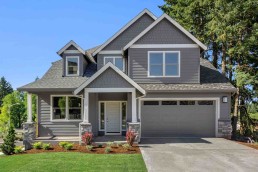
5 Effective Ways To Keep Your House Shining (and Make A Better First Impression)
Having a clean and shining home has a number of benefits that can include, a boost in curb appeal, preventative maintenance, and an overall sense of pride in the space you live in. However, to keep your home clean and looking like new there are a few ways to accomplish an aesthetically pleasing home that includes power washing, decluttering, routine cleaning, landscaping, and a fresh coat of paint.
1. Power wash your home’s key exterior features
The exterior of your home is just as important as the interior of your home. Some may even say that the exterior appeal of your home has greater importance because that first impression is what drives intrigue for someone to even walk through the front door. To keep your home’s exterior shining power washing some of the most viewed areas such as the driveway, windows, and doors. All of which can make the difference on your home’s appeal.
Windows and doors:
Knowing how to properly power wash windows and doors can mean the difference between a spotless home feature or a damaged one. Before power washing begins it is good practice to wash windows on an overcast day to prevent them from drying too quickly and leaving streaks. In addition, it is also important to check for cracks before any power washing begins to prevent the water from penetrating inside your home or even making the cracks larger. Lastly, when you begin spraying your windows and doors, popper technique would include leading your power washer at an angle as this is more effective at lifting dirt and loose paint. Spraying at an angle also prevents damage as a head-on spray from a power washing can cause harm. With proper cleaning your windows and doors can look like new and make that lasting impression.
Driveway:
For power washing a driveway it would first require preparing the area by removing and loose material like stone, dirt, and other debris from the driveway surface. Following that, apply a degreaser to any stains on the driveway as this will make it easier to clean and will not require higher pressures from your power washer. When you begin power washing start at the higher end of the driveway and work your way down in the direction of water flow to ensure all the dirt and mildew is pushed towards the gutter. When finished, you can expect a clean driveway that limits weeds, eliminates stains, and improves curb appeal.
2. Make your space seem larger by decluttering
Decluttering your home can have a number of benefits that extend having a clean and organized space. It can also help with reducing stress, less time needed to clean and organize your space, and that leads to more time spent on your other activities. To declutter your home it is vital to first have a plan. Figure out which rooms need the most work and tackle each room one at a time. The entire house does not need to be completed in one day but setting a schedule for each room can help with making this task more manageable and attainable. You can then begin sorting your items by things you want to keep, get rid of, and put in storage. This step may probably be the most time consuming because identifying whether or not an item has a use for you can be both exhausting and require a great deal of thinking. Once completed you can dispose of the items that you want to get rid of. You have options that extend to donating the items, recycling, hosting a garage sale, or throwing them away if they are in a bad condition. Having an organized and clean space can make a better first impression to anyone that enters your home while also making you healthier and happier.
3. Routinely clean frequently used areas
Every room or area of the home should be cleaned regularly. This could mean wiping down surfaces, vacuuming flooring, or taking out the trash. However, some areas may need extra cleaning based on how frequently they are used such as the bathrooms and the kitchen.
Bathroom:
One way to clean the bathroom is by refreshing the shower curtain. To maintain the shower curtain, wash it at least once a month. You may not see it, but the dampness in the bathroom causes the curtain to develop mold or mildew stains. In addition grout can be easily visible in areas of the bathroom. To remove this eye sore, Make a paste of baking soda and water or combine equal parts vinegar and water. Scrub the grout with a tiny brush, such as a toothbrush, using the solution. If the filth and grime are not really dissolving and the grout is still white, try a harsher solution, such as diluted bleach. Lastly, water stains can be another issue plaguing your bathroom. Rub a teaspoon of lemon oil against the glass of your shower doors twice a month. The water will bead and roll away. For tubs they can be cleared of water stains with similar solutions and a bit of elbow grease.
Kitchen:
This area not only needs to be cleaned to ensure the proper preparations and cooking of edible food but it can be a vital area in making a lasting impression. You can start with scrubbing the sink with soap and water before spraying it with vinegar and hydrogen peroxide. Be careful to spray each one separately and allow them to dry in between. Since the sink is one of the most germ-infested areas in your kitchen, cleaning it should be at the top of your priority list. The dishwasher is another area that can be plagued with germs and dirt. First, clean the filter at the dishwasher's bottom. Small particles of food can become stuck in there over time, reducing the dishwasher's effectiveness. Then, in the lowest level of the dishwasher, insert a bowl or measuring cup of white vinegar and start the cycle without adding any dishes. This will clean the dishwasher and make it gleam. This kitchen item generally gets the most use, thus it should be cleaned routinely.
4. Landscaping can make a difference in making your exterior shine
Beautiful landscaping is one of the finest ways to make your home stand out and build that lasting impression. In addition there are ways to keep your home shining with a beautiful landscape without needing a large investment. A lovely landscape must have flowers, shrubs, and bushes, as well as trees. They not only offer aesthetic appeal but also give much-needed seclusion and shade. Consider both function and form while selecting shrubs and bushes. Choose varieties that will grow in your climate and soil type. Also, remember to consider the plants' mature size. You do not want them taking over your yard. There is a vast range of trees available, from majestic oaks to tiny birches. Trees can be purchased online or at a local nursery. If the addition of added greenery is not to your liking you can improve your landscape with proper maintenance like mowing the lawn, adding appropriate fertilizer for a green landscape, and puring any overgrown hedges.
5. A fresh coat of paint for that fresh and new look
You do not have to undergo a whole remodel to make your home shine. Instead, utilize one of the most basic and effective tools at your disposal: paint! Painting your walls may radically change the appearance of your home. When choosing a color for your walls, consider the ambiance you want to create. Once you have decided on a hue, you may utilize it to brighten up any room in your home. It can also be used to tone down colors that are too bright. Blue, for example, is renowned for creating a serene and tranquil mood, whilst yellow is recognized for being a bright hue. Neutral colors like white and gray are also great for making a space seem larger and widely appealing, adding to make a better first impression.
Keeping your home shining does not have to be a difficult task, but it can be time consuming and even stressful. You may want to consider professional power washing services that not only save on time but ensure that the task is completed properly. The end result can almost guarantee a better first impression when compared to a dirty or cluttered home. These tips can help maintain your home so that it keeps its appeal and that new look every homeowner admires.
