

Is Power Washing Safe for Windows and Doors? What Homeowners Should Know
Power washing can feel like a magic wand for a tired-looking exterior. With the right approach, it blasts away dirt, mildew, and buildup that slowly dull your home’s curb appeal. But when it comes to windows and doors, that same force can quickly cross the line from helpful to harmful. Understanding when power washing is safe—and when it’s not—can help homeowners avoid costly damage and even premature window replacement.
When Power Washing is Generally Safe
Power washing is most effective on durable, non-delicate exterior surfaces. Materials like concrete, brick, stone, and some types of siding are designed to withstand higher water pressure without issue. Used correctly, power washing can remove years of grime, algae, and environmental residue in a matter of minutes.
The key is controlling both pressure and distance. Lower pressure settings and wider spray angles reduce the risk of surface damage, while maintaining enough force to clean effectively. When used on appropriate surfaces and with proper technique, power washing can extend the life of exterior finishes and reduce long-term maintenance needs. Problems arise when the same settings are applied indiscriminately to more vulnerable areas, especially around windows and doors.
Why Windows and Doors are a Different Story
Windows and doors are not built like driveways or brick walls. They rely on layered systems of glass, frames, seals, and weatherstripping to keep air and moisture where they belong. High-pressure water can easily overwhelm these systems, forcing moisture past seals that are designed to resist rain, not concentrated streams of water.
Once water gets behind frames or into wall cavities, it can lead to rot, mold growth, and insulation damage. Even if issues are not immediately visible, repeated exposure can weaken seals over time. This degradation often shortens the lifespan of the window or door, accelerating the need for window replacement long before it would otherwise be necessary.
Materials Most at Risk from Power Washing
Certain window and door materials are especially vulnerable to improper power washing. Wood frames can absorb moisture quickly, leading to swelling, cracking, and rot. Older wood windows are particularly susceptible because their seals may already be compromised.
Vinyl frames, while more water resistant, can still warp or loosen under excessive pressure. Aluminum frames may dent or bend, and painted finishes on any material can peel or chip when hit with a high-pressure spray. Glass itself is strong, but seals around insulated glass units are not. Damaging these seals can reduce energy efficiency and cause fogging between panes—another common trigger for window replacement.
How Improper Techniques Cause Long-Term Problems
The biggest risk is not always immediate breakage but gradual performance loss. Power washing at close range or using a narrow spray tip concentrates force in a way that stresses joints and seams. Spraying upward can drive water behind siding and trim while spraying directly at window edges targets the weakest points of the assembly.
Over time, repeated exposure erodes caulking, loosens flashing, and compromises weather barriers. Homeowners may not connect later drafts, leaks, or condensation issues to past cleaning habits, but the damage often traces back to aggressive washing methods.
Professional Approaches to Cleaning Windows and Doors
When it comes to windows and doors, professional cleaning is often the safest option. Experienced power washing professionals understand how much pressure different materials can handle and know where not to spray. They use specialized equipment, low-pressure techniques, and proper angles to clean effectively without compromising seals, frames, or surrounding structures.
Homeowners can still handle light maintenance between professional cleanings. Simple steps like wiping frames with a damp cloth, using mild soap on glass, and gently rinsing with a garden hose can help keep buildup under control. These low-impact methods reduce the need for aggressive cleaning while protecting the long-term performance of windows and doors.
Power washing is a powerful tool, but like any tool, it needs to be used with care. While it can dramatically improve the look of your home’s exterior, windows and doors require a more controlled, knowledgeable approach. Understanding material risks and avoiding aggressive methods can help prevent hidden damage and delay costly window replacement. For thorough exterior cleaning, especially near windows and doors, working with a professional service provides peace of mind, better results, and long-term protection for your home.

Why Energy-Efficient Windows Are One of the Top Selling Features in Today’s Real Estate Market
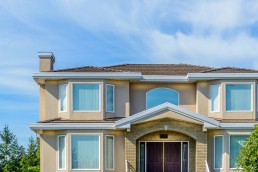
Energy efficiency has moved from a niche upgrade to a mainstream expectation in today’s housing market. As buyers compare listings with a sharper eye on monthly costs, comfort, and future upkeep, high performance windows have emerged as a standout feature. From suburban family homes to urban condos, energy-efficient windows help properties rise above the competition by signaling smart investment, modern living, and long-term value.
Energy Savings are a Top Buyer Priority
Modern buyers are more informed than ever about how a home’s features affect ongoing expenses. Rising utility costs have made energy savings a top priority, and windows play a significant role in overall efficiency. Advanced glazing, insulated frames, and low-emissivity coatings reduce heat transfer, helping homes stay warmer in winter and cooler in summer. For buyers running the numbers, efficient windows translate into lower energy bills year after year. In competitive markets, this practical benefit can outweigh cosmetic upgrades, because it directly impacts household budgets and aligns with sustainability goals many buyers already value. This focus on efficiency has shifted expectations, making outdated windows a red flag rather than a minor inconvenience.
Improved Indoor Comfort Drives Emotional Appeal
Beyond savings, indoor comfort strongly influences purchasing decisions. Drafty rooms, uneven temperatures, and outside noise can quickly sour a buyer’s impression during a showing. Energy-efficient windows improve thermal consistency by minimizing air leakage and blocking unwanted heat gain or loss. Many modern designs also enhance sound insulation, creating quieter interiors that feel more private and relaxing. When a home feels comfortable in every room, buyers perceive it as better built and better maintained. This emotional response matters, because comfort is experienced immediately, while other upgrades may only reveal their value over time.
Lower Maintenance Costs Reduce Buyer Risk
Long-term maintenance costs are another critical consideration for today’s buyers. Older windows often require frequent repairs, repainting, or eventual replacement due to rot, warping, or failed seals. In contrast, modern energy-efficient windows are designed for durability, using materials like vinyl, fiberglass, or aluminum composites that resist weathering. Low-maintenance finishes reduce the need for ongoing upkeep, saving both time and money. When buyers see recent window replacement in a listing, they gain confidence that a major expense has already been addressed, reducing future risk and simplifying ownership. This assurance can be especially appealing to first-time buyers wary of unexpected repair bills.
Stronger Resale Value in Competitive Markets
Upgraded windows directly contribute to stronger resale value. Appraisers and buyers alike recognize that energy-efficient improvements enhance a home’s overall performance and longevity. While sellers may not recoup every dollar spent, high-quality windows often return a substantial portion of their cost at resale. More importantly, they help a home sell faster by removing common objections related to energy loss or aging components. In multiple-offer situations, a well-documented window upgrade can tip the scales by reinforcing the perception of a thoughtfully improved property. Buyers view these upgrades as preventive investments rather than optional luxuries.
Boosting Curb Appeal and First Impressions
Energy-efficient windows also enhance curb appeal, an often underestimated selling factor. Clean lines, updated frames, and proportionate designs modernize a home’s exterior instantly. From the street, new windows signal care and investment, creating a positive first impression before a buyer steps inside. Natural light is improved as well, making interiors feel brighter and more inviting during showings. This visual upgrade supports higher perceived value and helps homes photograph better for online listings.
A Powerful Tool for Real Estate Marketing
For a real estate agent, energy-efficient windows provide a clear, tangible story to tell. Instead of focusing solely on aesthetics, agents can highlight measurable benefits such as lower utility costs, improved comfort, and reduced maintenance. Listing descriptions, open house conversations, and marketing materials can frame window upgrades as a part of a broader efficiency narrative. This positioning helps buyers justify price points and feel confident in their decision. In crowded markets, clear value-driven messaging can differentiate one home from many similar options.
Energy-efficient windows have become more than a nice-to-have upgrade; they are a strategic selling feature. By improving savings, comfort, appearance, and durability, they align perfectly with modern buyer priorities. In today’s competitive real estate market, homes with high-performance windows are easier to market, easier to justify, and easier to sell.

From the Roofline to the Foundation: The Two Pillars of a Safe, Stable Home
A well-built home is a system of interconnected components working together to provide safety, durability, and comfort. From the topmost shingles to the deepest structural supports, every part plays a role. While homeowners often focus on visible features such as interior finishes, long term stability depends on less glamorous but critically important structural elements.
1. Roofing: Your First Line of Defense Against the Elements
A home’s roof does far more than complete its silhouette. It stands as the primary shield between the interior living space and the full force of external weather. Rain, snow, wind, and ultraviolet radiation all challenge the durability of roofing materials, making high-quality installation and regular maintenance essential for long-term protection. The structural integrity of the roof not only prevents water intrusion but also contributes to energy efficiency by reducing heat transfer and guarding against drafts.
Modern roofing systems are designed to be resilient, incorporating underlayment layers, proper ventilation, and durable shingles or panels. However, even the strongest materials degrade over time. Small issues, such as curling shingles, damaged flashing, or loose fasteners, can allow moisture to seep into the attic. Once water gets beneath the roofline, it can trigger insulation damage, mold growth, and wood rot. For this reason, proactive inspections are vital. By identifying early signs of wear, homeowners can prevent minor concerns from becoming costly structural problems.
The roof also plays a significant role in the home’s overall envelope. A tight, well-maintained roofing system supports thermal stability, reducing heating and cooling costs throughout the year. When paired with efficient windows and doors, the roof helps create a balanced and tightly sealed environment that enhances indoor comfort and protects the home’s structural framework.
2. Foundation Stability Through Basement Underpinning
While the roof shields from above, the foundation supports every structural component from below. Over time, ground movement, soil erosion, moisture changes, and original construction limitations can compromise this critical base. Basement underpinning offers a solution by strengthening or deepening the foundation to improve stability, increase load-bearing capacity, and address settlement issues.
Underpinning is not simply a repair technique; it is a foundational enhancement that ensures the entire structure remains level and secure. When a home experiences uneven settling, symptoms may include cracks in interior walls, gaps around window frames, or floors that noticeably slope. Left unaddressed, these issues can worsen, leading to structural strain and potentially unsafe conditions. Underpinning reverses or prevents these problems by reinforcing the ground beneath the home with updated supports or deeper footings that reach more stable soil layers.
Beyond structural reinforcement, basement underpinning can also expand usable space. Homeowners may choose to lower the basement floor during the process, creating additional headroom and opening new opportunities for storage, living space, or mechanical access. Whether performed for safety, functionality, or both, underpinning strengthens one of the most essential components of the home’s structure.
Just as roofing provides the topmost layer of protection, a stable foundation ensures that the entire building remains resilient against shifting earth and moisture pressure. Together, these components form the vertical pillars of a home’s long-term stability.
3. Windows and Doors: Sealing the Home’s Protective Envelope
Between the top and bottom of the structure lies another crucial system: the windows and doors that help seal the building envelope. Although they might appear secondary compared to roofing or foundation work, high-quality windows and doors play an essential role in maintaining comfort, efficiency, and structural wellness.
Windows and doors act as controlled openings that balance light, ventilation, and energy performance. When properly installed and sealed, they prevent drafts and moisture from entering the home. Poorly fitted or aging units, however, can undermine even the best roofing or foundation efforts. Moisture infiltration at window perimeters can damage walls while air leakage contributes to temperature imbalances, forcing HVAC systems to work harder than necessary.
Modern energy-efficient windows and doors use advanced materials and insulated glazing to limit heat transfer and reduce condensation. Their improved weather stripping and locking mechanisms help create a tight seal, reinforcing the home’s overall envelope. By integrating strong windows and doors with a durable roofing system and a stable foundation, homeowners create a cohesive barrier that protects against the elements on all fronts.
A safe and stable home is the product of interconnected systems working in harmony. Strong roofing guards from above, basement underpinning fortifies from below, and high-quality windows and doors seal the spaces in between. By investing in these three essential components, homeowners create a durable, energy-efficient, and weather-resistant home that’s designed to stand strong for generations.
Double the Impact: Why Replacing Windows and Siding Together Maximizes Value
Homeowners often look for ways to improve comfort, reduce energy costs, and enhance curb appeal without overspending. Two of the most effective home improvement projects that accomplish these goals are window replacement and new siding installation. While each project delivers strong individual benefits, combining them creates a synergy that maximizes value, boosts energy efficiency, and transforms your home’s appearance. If you’re considering either project, tackling both at once could be the smartest move for your home and budget.
Unified Curb Appeal: A Complete Exterior Transformation
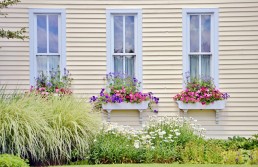
Curb appeal matters—not only for pride of ownership but also for resale value. When you replace windows and siding at the same time, you’re able to achieve a cohesive look that can’t be matched when the projects are done separately.
Matching old siding with new windows (or vice versa) can sometimes lead to mismatched colours, styles, or materials that detract from your home’s overall design. By coordinating both elements together, you can choose complementary colors, trim styles, and finishes that give your exterior a polished, intentional look.
For example, sleek modern windows can pair beautifully with smooth fiber cement siding while traditional wood-framed windows can look best with lap or shake-style siding. Doing both projects together helps ensure a seamless upgrade, making your home look brand new rather than piecemeal.
Energy Efficiency: Sealing in Comfort and Savings
One of the biggest advantages of combining siding and window replacement is the improvement in energy performance. Windows and siding work together to form your home’s thermal envelope: the barrier that keeps indoor air in and outdoor air out. If either component is outdated or inefficient, your energy bills can suffer.
When both are upgraded simultaneously, contractors can better seal and insulate the areas where the two meet, eliminating gaps that often cause drafts and heat loss. This comprehensive approach results in:
- Improved insulation: New siding systems often include insulation layers that work in tandem with energy-efficient windows to stabilize indoor temperatures year-round.
- Lower utility bills: When air leakage and thermal transfer are minimized, heating and cooling systems run more efficiently.
- Enhanced comfort: Draft-free rooms and consistent indoor temperatures make for a more pleasant living environment.
In short, you get a home that looks better and performs better—something that’s harder to achieve when upgrading one feature at a time.
Simplified Installation and Lower Labour Costs
From a practical standpoint, doing both projects at once can also reduce construction costs and project time. When contractors replace windows and siding together, they can coordinate schedules, share scaffolding and equipment, and streamline installation around the same work zones.
If you were to do these projects separately, the contractor might have to remove sections of new siding to fit replacement windows or risk damaging old siding during a future window upgrade. This adds unnecessary labour, materials, and disruption.
By combining both improvements, you avoid redundant work, reduce labour expenses, and limit the overall inconvenience of home renovation. It’s a more efficient process in every sense.
Greater Return on Investment
Buyers value homes that are energy-efficient, low maintenance, and visually cohesive. A freshly sided home with brand-new windows signals that the property has been well cared for and updated for modern living.
Additionally, the combined improvements may qualify you for energy-efficiency tax credits or rebates, depending on your location and product choices, which can boost the value equation.
Long-Term Durability and Peace of Mind
Pairing these two projects also helps protect your investment over time. When new windows and siding are installed together, the flashing, trim, and weatherproofing can be properly integrated, creating a more watertight, durable exterior.
Older windows or mismatched materials can lead to leaks or moisture infiltration behind the siding, causing rot and costly repairs. Installing both systems together helps ensure that each element is fitted and sealed according to the latest building standards, giving you years of worry-free performance.
It’s also a great opportunity to modernize with advanced materials, such as composite or vinyl siding paired with double- or triple-pane windows that resist fading, warping, and condensation. Together, they create a protective shell that looks beautiful and stands up to the elements.
Replacing your siding and windows at the same time can be a strategic investment in your home comfort, efficiency, and long-term value. From cohesive design and energy savings to simplified installation and improved ROI, the advantages are undeniable. If you’re planning a major exterior renovation, consider tackling both projects together. It might save you time and maximize your budget.
The Home Energy Trio: How Windows, Doors, and Roofs Work Together
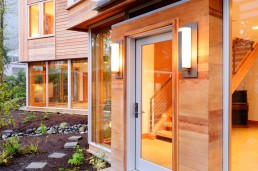
When it comes to energy efficiency in your home, most homeowners think about insulation or HVAC systems first. While those are important, your home’s outer shell—its windows, doors, and roof—plays an equally critical role. Together, they form a protective trio that influences not just comfort, but also energy bills and even long-term property value. These components don’t operate in isolation; they work together as a system. Understanding how they interact can help you make smarter upgrades and ensure your home stays efficient and resilient year-round.
Windows: The First Line of Defence
Windows are more than just a way to let in light. They directly impact how much heat enters or escapes your home. Drafty or single-pane windows can undermine even the best roof or insulation by allowing conditioned air to leak out and outside air to seep in.
Modern windows are designed with energy efficiency in mind. Features such as double or triple panes, low-emissivity (low-E) coatings, and gas fills between panes help reduce heat transfer. In colder climates, these features prevent warm air from escaping, while in hotter areas, they block unwanted solar heat.
Proper installation is just as important as the window itself. Even the most advanced models won’t perform well if there are gaps around the frame. When windows function as they should, they support the roof and doors in maintaining consistent indoor temperatures.
Doors: Small Openings, Big Impact
Though smaller than windows or roofs, doors play a surprisingly large role in your home’s energy efficiency. Poorly sealed doors, especially older wooden models, can leak air and create drafts. Every gap, even tiny ones, forces your heating and cooling systems to work harder.
Modern exterior doors are often built with insulated cores, weatherstripping, and tight seals to combat air leakage. Some even use materials like fiberglass or steel with foam insulation, offering better performance than traditional solid wood.
Entryways and patio doors are common weak points in many homes. If these areas aren’t properly sealed, they can compromise the work your windows and roof are doing to regulate temperature. By upgrading or maintaining doors, you strengthen the energy efficiency trio.
Roofs: The Energy Gatekeeper
The roof is arguably the most important member of the trio. As the largest protective surface, it shields your home from direct sunlight, wind, rain, and snow. If your roof isn’t performing well, the benefits of efficient windows and doors can be lost.
A well-installed and well-maintained roof regulates heat transfer. In summer, reflective or “cool” roofing materials help deflect solar radiation, lowering cooling costs. In winter, adequate insulation beneath the roof prevents heat from escaping, keeping your home warm without overburdening your furnace.
Ventilation also plays a key role. A balanced roofing system ensures that hot, moist air doesn’t build up in your attic, which could otherwise strain your HVAC system and shorten the lifespan of the roof itself. A roof is more than just shingles—it’s an energy system in its own right.
How They Work Together
While each element—windows, doors, and roofs—has its own job, they’re most effective when working in harmony. Think of them as a team:
- Windows regulate sunlight and airflow.
- Doors provide sealed access points.
- Roofs protect from above while managing heat and moisture.
If one part of the system underperforms, the others have to work harder to compensate. For example, energy-efficient windows may not provide much benefit if the roof is leaking heat. Similarly, a new roof won’t maximize its potential if doors and windows allow drafts.
The best approach is to view these components as interconnected. Home energy audits often reveal that upgrading more than one area leads to the greatest improvements. By addressing windows, doors, and roofs together, homeowners can achieve lower energy bills, better comfort, and enhanced durability of the entire structure.
Your home’s energy efficiency isn’t determined by one feature alone. Windows, doors, and roofs form a powerful trio that influences how much energy your household consumes. By maintaining and upgrading these elements together, you create a home that is more comfortable, resilient, and cost-effective in the long run.
If you’re considering improvements, start by evaluating how these components work as a system. Partnering with a reliable roofing company ensures that your roof complements your windows and doors, giving your home the complete protection it deserves.

Simple Upgrades That Can Make Your Home More Energy Efficient
Energy efficiency isn’t only about saving money—it’s about making your home more comfortable, sustainable, and future-ready. For homeowners, especially those dealing with rising energy costs or unpredictable weather, making smart upgrades can have a big impact. Fortunately, you don’t need to undertake a major renovation to improve efficiency. With a few targeted changes, you can start seeing savings right away. Here are some of the best simple upgrades to consider.
Seal Air Leaks and Improve Insulation
Air leaks around doors, windows, and ductwork can waste a surprising amount of energy. Sealing those gaps is one of the most cost-effective ways to improve your home’s efficiency. Use caulking or weatherstripping to seal around windows, doors, attic access points, and baseboards.
Adding or upgrading insulation, especially in attics and basements, helps keep your indoor temperature consistent. This reduces the workload on your heating and cooling system, leading to lower energy bills and more comfortable indoor conditions throughout the year.
Upgrade to Energy Efficient Windows
Windows are a major factor in heat loss during winter and heat gain during summer. If you have older single-pane or drafty windows, upgrading to energy efficient windows can significantly reduce this thermal transfer.
Look for windows with double or triple panes, Low-E coatings, and argon or krypton gas between the panes. These features help regulate indoor temperatures, reduce condensation, and even improve soundproofing. Though the initial investment can be high, the long-term savings in energy costs and improved comfort can make it well worth it.
Replace or Maintain Your HVAC System
Your heating and cooling system accounts for a large portion of your home’s energy use. If your system is more than 10 to 15 years old or frequently needs repairs, it may be time for an upgrade. Today’s HVAC systems are far more efficient than older models and come with advanced features like zoned heating or programmable settings.
A qualified HVAC company can inspect your current system, identify inefficiencies, and recommend solutions. Even if a full replacement isn’t needed, routine maintenance like filter changes, duct sealing, and thermostat calibration can improve performance and reduce costs.
Install a Smart Thermostat
Installing a smart thermostat is a small change with a big payoff. These devices learn your schedule and automatically adjust heating and cooling to match your routines. Many also offer remote control via smartphone apps and track your energy usage over time.
By minimizing energy use when you’re not home, a smart thermostat could save up to 10% to 15% on heating and cooling bills. It’s one of the most accessible and affordable upgrades for improving your home’s energy profile.
Switch to LED Lighting
Lighting may not seem like a major contributor to energy bills, but it adds up, especially in larger homes. Replacing incandescent or CFL bulbs with LEDs can cut lighting energy use by up to 80%. LEDs last much longer too, which means fewer replacements and less waste.
Choose Energy Star certified LEDs for the best efficiency and consider motion sensors, dimmer, switches, or timers to further reduce usage in rooms that aren’t used frequently. This upgrade is quick, easy, and inexpensive to implement.
Choose Energy-Efficient Appliances
When it’s time to replace home appliances, opting for Energy Star certified models is a no-brainer. Appliances like refrigerators, washing machines, dishwashers, and dryers use much less energy and water than their older counterparts.
Even small appliances, like dehumidifiers, microwaves, and fans, come in energy-efficient versions. Making the switch not only lowers your energy consumption but also contributes to building more energy-efficient homes that are better equipped for the future.
Add Solar Lighting and Consider Renewable Options
Full solar panel installations may not be the right fit for everyone, but that doesn’t mean you can’t take advantage of solar energy. Solar-powered lights for pathways, driveways, decks, and gardens are inexpensive, easy to install, and require no electrical wiring.
These small changes reduce electricity use and help you ease into renewable energy options. If you’re considering a bigger solar investment, start by speaking with a local provider to evaluate your home’s exposure and potential energy savings.
Improving your home’s energy efficiency doesn’t have to be overwhelming. From sealing drafts and upgrading insulation to installing energy efficient windows or working with a trusted HVAC company, even modest changes can lead to meaningful results. By focusing on practical, cost-effective upgrades, you can reduce your carbon footprint, lower your utility bills, and make your living space more comfortable year-round. Creating energy-efficient homes is a smart choice for your family, your finances, and the future.

Strengthening Your Foundation: Why Underpinning and New Basement Windows Go Hand-in-Hand
Upgrading your basement is more than just a home improvement project—it’s an investment in your home’s structural integrity and functionality. Basement underpinning, a process that stabilizes and deepens your home’s foundation, is often a key step in creating a safe, usable, and valuable basement space. However, underpinning isn’t just about the foundation. This is also an ideal time to install new, durable windows that can improve the basement aesthetics, energy efficiency, and ventilation. Here’s why these two upgrades are a perfect match for homeowners looking to maximize their property’s potential:
Understanding the Importance of Basement Underpinning
Basement underpinning is a transformative construction technique that strengthens a home’s foundation. This process is often undertaken to address structural issues, increase basement ceiling height, or create more functional living space. Over time, a home’s foundation can settle or weaken due to soil conditions, water infiltration, or simply age. Underpinning not only resolves these issues but also offers several additional benefits.
A home with a solid foundation is inherently safer and more stable. By reinforcing or replacing the existing foundation, underpinning eliminates the risk of structural weaknesses that could lead to costly repairs down the line. Moreover, many homeowners choose underpinning to create additional space. By lowering the basement floor, they can increase ceiling height, making the area suitable for living rooms, guest suites, home gyms, or offices. Beyond practicality, underpinning can significantly enhance the value of your property. A home with a well-built, functional basement is more attractive to potential buyers, offering a higher return on investment.
Why New Windows are the Perfect Complement
While the focus of basement underpinning is the foundation, it’s also an opportune moment to rethink basement windows. Old, outdated windows can be a source of heat loss, moisture problems, and even security risks. During the underpinning process, when the foundation is being adjusted, there’s a natural opening to install new, modern windows that align with the enhanced basement design. New windows can dramatically improve the energy efficiency of your basement. Modern materials and technologies, such as double or triple glazing and low-emissivity coatings, minimize heat transfer and keep indoor temperatures consistent. This not only lowers energy bills but also creates a more comfortable environment year-round. Additionally, upgraded windows can improve ventilation and natural lighting. Many basements suffer from poor airflow and dim lighting, issues that can lead to a damp, unwelcoming atmosphere. High-quality windows alleviate these problems, making the space more inviting and functional.
From an aesthetic perspective, new windows provide a polished look that complements the basement’s transformation. Whether you’re adding egress windows for safety or enhancing the design with custom options, the result is a cohesive and visually appealing upgrade.
Timing the Upgrades Together
Combining basement underpinning with window installation is a strategic move that can save homeowners time, money, and stress. Since underpinning involves significant structural changes, including excavation and reinforcement, it’s easier to integrate window replacement during this phase rather than as a separate project later. Contractors can address both tasks simultaneously, reducing labour redundancies and ensuring the foundation and windows work harmoniously together.
Another advantage of combining these upgrades is enhanced structural integration. With underpinning, the foundation’s design may change, affecting how windows fit and function. Installing new windows tailored to the updated structure ensures they are secure, properly aligned, and compliant with safety codes, especially if you’re adding egress windows.
Additionally, tackling these projects together ensures a more durable and long-lasting solution. Underpinning stabilizes the foundation for decades to come, and high-quality windows, designed for durability, will stand the test of time alongside it. By addressing both the foundation and windows at once, homeowners can enjoy a seamless upgrade without worrying about future compatibility issues or disruptions.
Practical Considerations for Homeowners
Before undertaking these complementary projects, there are a few practical factors to keep in mind. Budgeting is one of the most significant considerations. While combining underpinning and window installation might seem like a larger upfront expense, it can lead to savings by avoiding separate labour and project timelines. Many contractors offer package deals or discounts for bundled services, making it a financially savvy decision.
Choosing the right professionals is also critical. Look for contractors experienced in both basement underpinning and window installation to ensure a smooth and efficient process. Discuss your goals with them in detail, including any specific window features you’re looking for, such as energy efficiency or custom designs.
Finally, prioritize quality materials. Whether it’s the underpinning process or the windows themselves, cutting corners can lead to long-term issues. Select energy-efficient windows that meet your needs for insulation and durability, and ensure the underpinning work is done with precision and care to provide a stable foundation for years to come.
Maximizing the Potential of Your Basement
By combining basement underpinning with new window installation, homeowners can unlock the full potential of their basements. The result is a space that’s not only structurally sound but also comfortable, efficient, and aesthetically pleasing. The reinforced foundation provides peace of mind, while the windows enhance the functionality and appearance of the space. Whether you’re planning to use your basement as a family room, office space, or simply extra storage, these upgrades ensure it meets modern standards for safety and design.
If you’re considering a basement upgrade, now is the time to think holistically. Don’t just stabilize your foundation—elevate your entire basement’s functionality and style with new, durable windows. Together, these improvements will add value to your home and create a space you’ll enjoy for years to come. Consult with experienced professionals to start your journey toward a stronger, brighter, and more functional basement today.

The Best Window and Door Styles to Match Your Composite Siding
Choosing the right windows and doors to match your home’s composite siding is an essential step in creating an exterior design that feels both harmonious and inviting. Composite siding is a blend of materials engineered to work together. It offers durability and a range of finishes, textures, and colours, allowing homeowners to create a look that suits their personal style. With so many options available, it can be challenging to design which window and door styles will enhance the overall look and feel of your home. Here are some styles that can complement composite siding finishes:
Classic White or Neutral Frames for Timeless Appeal
For homeowners looking to achieve a classic and timeless look, white or neutral window and door frames pair beautifully with most composite siding finishes. This combination works particularly well with textured composite siding in light grey, beige, or cream, creating a clean, understated aesthetic that never goes out of style. Opting for simple yet elegant designs such as double-hung or casement windows in neutral tones complements the versatility of composite siding, as it adapts to both modern and traditional styles. To elevate the timeless appeal, consider pairing these frames with a matching entry door that has minimal decorative features, allowing the beauty of the siding to shine.
Bold, Dark Frames for Modern Contrasts
Dark-framed windows and doors are increasingly popular among homeowners seeking a modern, dramatic look. Black or dark grey frames offer a striking contrast against lighter shades of composite siding, such as beige or light grey, making the windows and doors stand out as architectural features. This pairing works especially well with smooth or matte composite siding finishes, which accentuate the sleekness of dark frames. For a cohesive look, choose door designs with clean, straight lines, and avoid ornate elements. Dark frames add sophistication and a touch of boldness, turning your windows and doors into focal points without overwhelming the overall design.
Natural Wood Tones for a Warm, Rustic Vibe
If your home has composite siding with a wood-like texture or earthy tones, opting for windows and doors in natural wood tones can create a warm, inviting look. Wood-grain finishes in shades like cedar, walnut, or oak bring out the rustic quality of wood-textured composite siding, making your home feel cozy and grounded. This combination is particularly effective with board-and-batten or shiplap-style composite siding, as the wood finishes a cohesive, cabin-like aesthetic. Adding a natural wood entry door, perhaps with a decorative glass insert, further enhances the rustic vibe, making your home’s exterior feel both cohesive and welcoming.
Sleek, Minimalist Frames for Contemporary Appeal
For homes with composite siding in solid, monochromatic finishes like dark blue, charcoal, or sleek black, minimalist window and door designs can be the perfect choice. Thin-framed windows in black or metallic finishes maintain a streamlined, modern look that pairs well with smooth composite siding, emphasizing a sophisticated and contemporary style. Sliding doors or large picture windows with slim profiles are ideal for adding a sense of openness and flow. This style is particularly effective for homeowners who appreciate simplicity and wish to let the siding’s colour or finish take centre stage without visual distraction from the windows and doors.
Mixed-Material Frames for a Unique, Eclectic Style
If your design aesthetic leans towards an eclectic mix of styles, consider pairing composite siding with mixed-material frames. For example, combining aluminum-clad windows with a wooden entry door can bring texture and visual interest to the exterior. This style can work especially well if your composite siding features a multi-tone or stone-inspired finish, as the blend of materials in the windows and doors complements the rich visual texture. To create a balanced look, focus on harmonizing colour tones across the materials. This approach works for those looking to blend traditional and modern elements, as it allows for flexibility and creative expression in exterior design.
Selecting the best windows and doors to complement your composite siding can significantly enhance your home’s curb appeal and create a unified look. By thoughtfully pairing colors, textures, and finishes, you can achieve a range of styles—from classic and timeless to modern and bold. Whether you choose white frames for a clean and traditional look, dark frames for a contemporary contrast, or natural wood tones for a rustic touch, there are endless ways to create a harmonious exterior design that reflects your style. Take the time to explore how different window and door styles work with composite siding to find the combination that brings your vision to life.

How to Layer Window Treatments for Enhanced Comfort and Design
Layering window coverings is an effective way to enhance both the style and functionality of your home. By combining different materials, you can maintain comfortable temperatures throughout the year while adding visual interest to your space.
Here are five ways to layer window treatments for a balance of comfort and design:
1. Combine Sheer Curtains with Heavy Drapes
Pairing sheer curtains with heavy drapes is a classic way to achieve a balance between light control and privacy. Sheer curtains allow natural light to filter into the room while still maintaining a sense of openness. When layered with heavier drapes, you gain the ability to block out light completely or insulate the room from drafts during colder months. This combination offers versatility in managing the room’s ambiance throughout the day and across different seasons. It’s an ideal choice for living rooms or bedrooms where both privacy and comfort are priorities.
2. Layer Roller Shades Under Roman Blinds
Roller shades and Roman blinds make a stylish yet functional duo. Roller shades provide a sleek, modern look and are often made from materials that help regulate indoor temperatures by blocking out excessive sunlight. Roman blinds, with their soft, structured folds, add a decorative element to the window. By layering these two treatments, you gain control over light and temperature while also adding a tailored, polished appearance to your windows. This combination works well in home offices or kitchens where you want practicality without sacrificing design.
3. Use Cellular Shades with Drapery Panels
For homeowners looking to boost energy efficiency while enhancing aesthetics, combining cellular shades with drapery panels is an excellent option. Cellular shades, known for their honeycomb design, trap air and create an insulating layer, which helps in maintaining comfortable indoor temperatures. Drapery panels add softness and color to the room, while also providing additional insulation. This layered look not only helps reduce energy costs but also creates a cozy, inviting atmosphere. It’s a great solution for rooms where temperature control is essential, such as bedrooms or family rooms.
4. Mix Plantation Shutters with Valances
For a more structured look, consider layering plantation shutters with decorative valances. Plantation shutters offer excellent light control and can be adjusted to allow as much or as little light into the room as needed. Adding a valance on top brings a decorative touch that softens the appearance of the shutters. This combination adds both elegance and functionality to your windows, making it perfect for spaces like dining rooms or formal living areas where you want a refined yet practical design.
5. Combine Blackout Shades with Sheer Panels
Blackout shades are perfect for rooms where you need complete darkness, such as bedrooms or media rooms. To soften their look, consider layering sheer panels over them. The blackout shades provide the functional benefit of eliminating outside light and enhancing privacy, while the sheer panels add a light, airy feel to the room. This combination allows you to switch between complete darkness and soft, filtered light, providing maximum versatility in both comfort and design. It’s a practical and stylish option for anyone looking to create a serene, adaptable space.
Layering window treatments is a creative way to enhance both the comfort and design of your home. By combining different types of window coverings, such as sheer curtains with heavy drapes or cellular shades with drapery panels, you can create a versatile, stylish look that meets your functional needs. Whether your goal is to improve energy efficiency or simply add decorative flair, these layering techniques will help you achieve a more comfortable and aesthetically pleasing home environment.

Maximizing Your Home's Natural Light with Large Replacement Windows
If you're considering filling your home with ample sunlight, you're in the right place. In this blog post, we'll take a deep dive into windows and doors, illuminating how these straightforward additions can turn your living area into a radiant haven. Let's skip the frills and focus on mastering the art of maximizing your home's natural light.
The Benefits of Natural Light
Natural light is like a radiant gift from nature that keeps on giving. Having more of it helps in boosting and lifting your overall mood. For example, natural light helps regulate your sleep patterns and gives you a morning boost that keeps you from waking up on the wrong side of the bed. Psychologically, natural light paints your home with positivity, making it a haven you can't help but adore.
Now, imagine yourself walking into a room bathed in the warm embrace of sunlight. Instantly, it transforms into a space that feels as expansive as a meadow yet cozy as your favourite blanket. Large replacement windows have a touch of magic about them that turns your living area into vast, comfy spaces.
Wait, there's more! Natural light goes beyond mere aesthetics. Allowing it to shine on your living spaces makes it an eco-friendly and budget-friendly solution, too! By inviting more sunlight into your home, you're reducing your reliance on artificial lighting, which translates to lower electricity bills. It's a win-win for your pocket and the planet.
Selecting the Right Windows
How about we dive into selecting the perfect windows and doors for your home? Think of it as a grand matchmaking adventure for your home. Different rooms have unique needs, and your window choices should be in sync with those needs.
The options are vast, each with its own special characteristics. For example, casement windows swing open wide, letting the breeze in. So, take your time browsing through the menu of possibilities, where you get to pick the flavours that suit your home best.
Size matters, too. Wide windows generally mean more light, but you've got to consider the room's size and purpose. Placement is another crucial factor. You want to harness that natural light without compromising your privacy or wall space. Oh, and don't forget the frame materials. They affect both the look and the insulation of your windows. Keep it simple or jazz it up – the choice is yours.
Window Placement and Design
Now, where do you put these windows to work their magic? Well, that's where strategic placement comes into play. The direction your windows face can significantly impact how much natural light you get. South-facing windows soak up the sun all day, while north-facing ones offer a cooler, softer light. East-facing windows greet you with that beautiful morning glow while west-facing ones bask in the warm afternoon rays. It's like nature's clock.
The design of your windows is crucial, too. Think of it as the frame for your masterpiece. Large windows with fewer dividers let in more light. Simplicity is often the key here. And when you want to control the light, there are window treatments like blinds, shades, or curtains to give you the reins. It's about finding that perfect balance between basking in the sun and creating a shaded retreat.
Maintenance and Cleaning
Let's keep those windows gleaming! Clean windows are like a clear path for sunlight to enter your home. Regularly cleaning them, both inside and out, is essential. A mix of water and a touch of mild detergent followed by a squeegee can work wonders. It's a simple task with radiant results.
But maintenance goes beyond cleaning. Check for signs of wear and tear – cracks, drafts, or any issues that might hinder their performance. Regular lubrication of hinges and tracks can go a long way in extending their lifespan. Think of it as taking your windows to the spa for some well-deserved pampering.
Budgeting and Installation
Lastly, let's talk money. Budgeting for replacement windows involves considering various factors, like the type of windows, the materials, and the installation costs.
Speaking of installation, don't skimp on the professional touch. Having professionals do the job ensures your windows are snugly fitted, sealed, and insulated, maximizing their efficiency and lifespan.
Embrace the Light: Your Home's Brighter Future
Don't underestimate the power of windows and doors in transforming your home with natural light. Letting the sun shine into your house can bright a lot of benefits without having a full-blown home renovation. It's a practical, mood-boosting, and energy-efficient choice. So, why wait? Consider upgrading your windows and letting the sunshine in.