

6 Things to Consider Before Selling Your Home
Selling a home is a significant life event with emotional and financial weight, demanding thorough preparation well before listing to maximize profit and minimize stress. This involves a holistic review of market conditions, property readiness, personal circumstances, and often engaging professionals like a real estate agent and a lawyer. This guide illuminates six critical considerations—from market understanding and accurate valuation to repairs, financial planning, emotional readiness, and choosing a selling path—to empower homeowners to navigate the process confidently and achieve the best outcome for their asset, laying the groundwork for a successful sale.
Decoding the Market & Nailing Your Timing
Understanding the prevailing local real estate market is a fundamental first step before listing a property. Is the current climate a "seller's market," characterized by high demand and low inventory, which typically allows for more favourable pricing and negotiation terms for sellers? Or is it a "buyer's market," where an abundance of properties gives buyers more leverage? Knowing this dynamic is crucial as it directly influences pricing strategy, the expected time on market, and the negotiation power one holds. Researching recent comparable sales, or "comps," in the specific neighbourhood provides invaluable insight into what similar homes are selling for and how quickly they are moving, offering a realistic benchmark.
Beyond general market conditions, the timing of a sale can also play a significant role. Traditionally, spring and early autumn are considered peak selling seasons, often benefiting from more active buyers and favourable weather for viewings. However, listing during these periods also means more competition. Conversely, selling in the off-season might attract fewer buyers, but those who are looking are often more serious, and there may be less inventory to compete against. Ultimately, the decision of when to list involves balancing these market trends with personal timelines, moving needs, and other life circumstances to choose the most opportune moment for a successful sale.
What's Your Home Really Worth?
Determining a home's true market value is a critical, yet often misunderstood, aspect of selling. While online valuation tools offer convenience and a quick snapshot, their automated estimates can frequently be inaccurate. These platforms typically lack the nuanced understanding of a property's specific condition, unique features, recent upgrades, or the hyper-local micro-trends that can significantly impact its worth. Relying solely on such tools can lead to mispricing, either by undervaluing the home and leaving money on the table, or overvaluing it and deterring potential buyers from the outset.
For a more accurate assessment, professional insights are indispensable. A real estate agent can provide a Comparative Market Analysis (CMA), which meticulously examines recent sales of similar properties in the immediate vicinity, adjusting for differences in size, condition, and features. This detailed report offers a realistic price range. In some cases, obtaining a pre-listing appraisal from a certified appraiser can also be beneficial, especially for unique properties or in rapidly changing markets, providing an objective third-party valuation. The ultimate goal is to set an asking price that is both competitive enough to attract serious buyers and realistic enough to reflect the home's true value.
The "Honey-Do" List That Sells – Repairs, Prep & Presentation
Before welcoming potential buyers, addressing necessary repairs and optimizing the home's presentation is paramount. Consider a pre-listing inspection by a qualified home inspector. This can uncover potential issues—such as problems with the roof, HVAC system, plumbing, electrical, or foundation—that buyers' inspectors would likely find later. Discovering these concerns upfront allows sellers the opportunity to address them on their own terms, potentially avoiding costly surprises or derailed negotiations down the line. When it comes to repairs, focus on strategic fixes: prioritize essential repairs that impact safety and functionality over purely cosmetic upgrades, unless those upgrades offer a significant return on investment.
First impressions are incredibly powerful in real estate. Enhancing curb appeal through simple measures like tidy landscaping, a freshly painted front door, clean windows, and an inviting entryway can make a substantial difference. Internally, the focus should be on decluttering to create a sense of space, depersonalizing to allow buyers to envision themselves living there, and deep cleaning until the home sparkles. Consider professional staging or effective DIY staging to highlight the home's best features and create an appealing flow. These efforts in preparation and presentation can significantly impact a buyer's perception and willingness to make an offer.
The Real Cost of Selling – Budgeting Beyond the Sale Price
Selling a home involves more than just the final sale price; several associated costs must be factored into the budget to understand the true net proceeds. Agent commissions are a significant component, typically a percentage of the sale price, covering services like marketing, coordinating showings, expert negotiation, and managing extensive paperwork. It is important to understand what services are included when agreeing to a commission structure. Beyond this, sellers are usually responsible for various closing costs, which can include legal fees, transfer taxes, and potentially portions of title insurance or escrow fees, depending on local customs and regulations in Canada.
Furthermore, it is wise to budget for potential buyer requests following their home inspection. Negotiations often lead to sellers agreeing to cover certain repairs or provide a credit towards the buyer's closing costs. Setting aside a contingency fund for such possibilities can prevent financial strain later in the process. Other potential expenses include costs associated with staging the home if professional services are used, moving expenses, and possibly temporary housing if the sale and purchase timelines do not align perfectly. A clear understanding of all these potential outlays is crucial for accurate financial planning.
Are YOU Ready? The Financial & Emotional Equation
A critical aspect of preparing to sell is a thorough assessment of one's financial position and emotional readiness. Calculating the estimated net proceeds from the sale is a vital first step. This involves subtracting the outstanding mortgage balance, any liens against the property, and all anticipated selling costs (commissions, legal fees, closing costs, potential repair credits) from the expected sale price. Knowing this net figure provides a clear picture of the funds that will be available for the next property purchase or other financial goals, ensuring realistic expectations and informed decision-making for future plans.
Beyond the numbers, the emotional component of selling a home should not be underestimated. A home often holds significant personal memories and attachments, making it challenging to transition from viewing it as "home" to seeing it as a "house" or a product to be sold. It is important to emotionally detach to make business-minded decisions during negotiations and when receiving feedback, which may not always be positive. The selling process can be inherently stressful, involving uncertainty and disruption to daily routines. Acknowledging these potential emotional challenges and having support systems in place can help navigate this rollercoaster with greater ease.
Your Selling Path – DIY Daredevil or Pro Partnership?
When deciding to sell, homeowners face a fundamental choice regarding their selling approach: attempting a "For Sale By Owner" (FSBO) transaction or partnering with a real estate professional. The FSBO route might seem appealing due to the potential savings on agent commissions. However, this path demands a significant investment of time, effort, and expertise in marketing, pricing, legal understanding, and negotiation. Sellers undertaking this themselves are solely responsible for all aspects, from staging and showing the property to handling complex paperwork and navigating offers, which can be daunting without prior experience.
Alternatively, partnering with a qualified real estate agent can streamline the entire process. A good agent brings local market expertise, a comprehensive marketing strategy to maximize exposure, skilled negotiation tactics, and adept management of the intricate details and paperwork involved in a sale. When choosing an agent, it is advisable to interview several candidates, assessing their track record, communication style, understanding of the local area, and references. Leveraging the expertise of a seasoned professional can often lead to a higher sale price and a smoother transaction, potentially offsetting the cost of their commission through a more favourable outcome.
From Listed to Sold: Navigating the Next Chapter
Successfully navigating the home selling process hinges on diligent preparation across several key fronts: understanding market dynamics, accurate pricing, meticulous home preparation, realistic budgeting, assessing personal financial and emotional readiness, and making an informed decision about the selling path. Investing time and thoughtful consideration into these critical areas before listing can significantly influence the sale's speed, final price, and overall stress experienced. By approaching this major life event as an informed and empowered homeowner, sellers can confidently move towards their next chapter, having maximized opportunities and minimized potential pitfalls.


The Value of Choosing Premium Materials for Long-Term Benefits
When it comes to upgrading your home, choosing premium materials is more than a cosmetic decision—it’s an investment in long-term durability, energy efficiency, and overall value. From upgrading your metal roofing to working on a window replacement project for your outdated windows or resurfacing your concrete driveways, using high-quality materials ensures that your home will withstand the elements, require less maintenance, and deliver better performance for years to come. Whether you’re enhancing your roof, driveway, or windows, these upgrades can transform your property into a more efficient, beautiful, and sustainable space.
Let’s explore three key upgrades that highlight the advantages of choosing premium materials: metal roofing, concrete driveways, and fibreglass windows.
Metal Roofing: A Durable Upgrade Over Shingles
Your roof is your home’s first line of defence against the elements, so durability is paramount. While shingles are a popular choice due to their affordability, metal roofing is an upgrade that far outperforms traditional materials in almost every category.
Longevity That Stands the Test of Time
One of the most compelling reasons to choose a metal roof is its exceptional lifespan. Metal roofs can last 40–70 years or more, depending on the material, far surpassing the 15–25-year lifespan of standard asphalt shingles. This longevity means fewer replacements over the years, saving you both time and money in the long run.
Superior Weather Resistance
Canada’s weather can be harsh, with heavy snowfalls, strong winds, and freezing temperatures testing the durability of your roof. Metal roofs excel in these conditions, as their sleek design naturally sheds snow and prevents ice dams, while their robust materials resist wind damage and hail impacts. Whether you’re in a coastal region or a snow-prone area, a metal roof is built to withstand the worst that Mother Nature has to offer.
Energy Efficiency for Lower Bills
Metal roofs aren’t just tough—they’re smart, too. Their reflective properties deflect sunlight, keeping your home cooler during the summer months and reducing the need for air conditioning. This energy efficiency can translate into significant savings on your utility bills, making it a sustainable choice for eco-conscious homeowners.
Low Maintenance, High Appeal
Unlike shingles, which may require frequent repairs and replacements, metal roofs are relatively low maintenance. They resist cracking, warping, and algae growth, meaning you can enjoy a beautiful, functional roof without constant upkeep. Additionally, metal roofs are available in a wide range of colours and styles, allowing you to choose an option that complements your home’s aesthetic.
Concrete Driveways: A Stronger Alternative to Asphalt
Driveways are another critical aspect of your home’s exterior that often go overlooked. While asphalt is a common choice for its low upfront cost, concrete driveways are a far superior option when it comes to durability, aesthetics, and long-term value.
Durability That Handles Heavy Loads
Concrete driveways are built to last. They offer greater load-bearing capacity than asphalt, making them an excellent choice for homes with heavy vehicles or frequent traffic. A well-installed concrete driveway can last 30–50 years, significantly outlasting its asphalt counterpart, which typically requires replacement after 15–20 years.
Low Maintenance for Stress-Free Living
One of the biggest advantages of concrete driveways is their minimal maintenance requirements. Unlike asphalt, which needs regular resurfacing to stay functional and visually appealing, concrete driveways only need occasional cleaning and sealing to maintain their integrity. This means less time spent on upkeep and more time enjoying a polished, durable surface.
Enhanced Aesthetic Options
Concrete offers unparalleled flexibility in terms of design. It can be stamped, coloured, or polished to match your home’s style and boost curb appeal. Whether you prefer the look of natural stone, brick patterns, or a sleek modern finish, concrete can be customized to achieve your vision while maintaining its superior durability.
Better Performance in Extreme Temperatures
Canada’s extreme weather can wreak havoc on asphalt driveways, causing them to soften in the heat and crack in the cold. Concrete, on the other hand, performs better in fluctuating temperatures, resisting cracking and wear caused by freeze-thaw cycles. This makes it a reliable option for homeowners looking to avoid frequent repairs.
Fibreglass Windows: A Superior Choice Over Vinyl
Windows play a critical role in your home’s energy efficiency and aesthetic appeal. While vinyl windows are a popular choice, window replacement with fibreglass frames is an upgrade that offers superior performance and a sleek, modern look.
Exceptional Strength and Durability
Fibreglass windows are incredibly strong, resisting warping, expanding, and contracting even in extreme temperatures. This structural stability ensures a long lifespan, meaning you won’t have to worry about replacements for decades. Fibreglass is also highly resistant to moisture, preventing issues like rot or mould that can affect other window materials.
Energy Efficiency That Saves You Money
If energy savings are a priority, fibreglass windows are a game-changer. They provide excellent insulation, keeping your home warmer in winter and cooler in summer. By reducing energy transfer, fibreglass windows help lower heating and cooling costs, making them an eco-friendly and cost-effective choice for homeowners.
Aesthetic Flexibility for Any Style
Fibreglass windows offer a level of design versatility that vinyl windows simply can’t match. They can be painted to match any exterior or interior décor, allowing you to achieve a seamless look. Whether your home has a traditional or contemporary style, fibreglass windows can be customized to enhance its overall aesthetic.
Eco-Friendly and Sustainable
Fibreglass windows are not only durable but also environmentally responsible. Their longer lifespan means fewer replacements and less waste, and their recyclable materials make them a sustainable option for eco-conscious homeowners. By choosing fibreglass, you’re making a choice that’s better for both your home and the planet.
Upgrading to Premium Materials: A Smart Investment
Choosing premium materials like metal roofing, concrete driveways, and fibreglass windows for your home might come with a higher upfront cost, but the long-term benefits far outweigh the initial expense. These materials offer exceptional durability, energy efficiency, and aesthetic appeal, making them a smart choice for any homeowner looking to enhance their property.
By upgrading to materials that last longer, require less maintenance, and perform better in Canada’s challenging climate, you’re not just improving your home—you’re future-proofing it. Whether it’s the sleek look of a metal roof, the durability of a concrete driveway, or the energy efficiency of fibreglass windows, choosing premium materials elevate your home’s value, functionality, and comfort for years to come. So, why settle for less when you can have the best? Make the investment today and enjoy the benefits for a lifetime.

Matching Window and Door Designs with Your Home’s Architectural Style
When it comes to enhancing your home’s curb appeal, few things make a more significant impact than matching window and door designs with your home’s architectural style. These elements serve both functional and aesthetic purposes, shaping how your home looks from the outside and feels on the inside. If you've ever driven through a neighbourhood and noticed a house that seems beautifully cohesive, the chances are that the windows and doors were carefully selected to match the home’s architectural style. But how do you ensure that your windows and doors complement your home’s design rather than clash with it? In this post, we’ll explore the different architectural styles and offer advice on choosing window and door designs that enhance the unique character of your home.
Traditional Homes: Embracing Classic Elegance
Traditional homes are often defined by their timeless charm, symmetry, and intricate details. Whether you own a Georgian, Victorian, or Colonial home, the goal is to maintain that classic elegance. When selecting windows and doors for a traditional home, focus on styles that emphasize structure and ornamentation.
For windows, double-hung options with grilles or divided panes work beautifully. These windows offer a balanced and symmetrical appearance that’s perfect for a traditional setting. You might also consider bay windows if you're looking to add more visual interest and create a cozy nook inside the home.
For doors, a solid panelled wood door with decorative glass or stained glass can add a sophisticated touch. Arched designs or doors with detailed moulding can further enhance the formal and elegant entrance typical of traditional homes. To complete the look, choose neutral colours like white, beige, or rich wood tones that complement your home’s classic exterior.
Modern and Contemporary Homes: Sleek and Minimalist
Modern homes often focus on clean lines, open spaces, and minimal ornamentation. These homes are all about letting the architecture itself shine, so when choosing windows and doors, you’ll want to keep things simple and functional.
For windows, large picture windows, sliding glass windows, or floor-to-ceiling glass panels can be the perfect fit. These designs allow for ample natural light and create a seamless indoor-outdoor connection. In modern homes, the focus is often on large expanses of glass, which gives the space an airy, open feel.
For doors, consider sleek options like pivot doors or simple panelled doors with frosted or clear glass inserts. Materials like steel, fibreglass, or glass are often used to create a minimalist look. Choosing the right hardware is also essential here—think sleek handles in black or brushed steel for that added touch of modernity.
Craftsman and Bungalow Homes: Warmth and Craftsmanship
Craftsman and bungalow homes are beloved for their attention to handcrafted details and their use of natural materials. These homes have a warm, inviting atmosphere that’s reflected in the windows and doors.
When selecting windows, look for double-hung styles with divided light patterns or casement windows framed in wood. The idea is to showcase the craftsmanship, so windows with grilles and wood detailing are a perfect match. These types of homes often emphasize earthy tones, so opting for stained wood frames or muted green and brown colours can enhance that natural, grounded look.
For doors, a solid wood front door with glass inserts, often in a rectangular or square shape, will reflect the quality craftsmanship associated with this style. Stained or naturally finished wood doors are common, as they highlight the beauty of the material and craftsmanship. Simple but elegant hardware, like a bronze handle or knocker, can complete the look.
Mediterranean and Spanish Revival Homes: Rich and Ornate
Mediterranean and Spanish Revival homes are known for their rich textures, stucco exteriors, and terracotta roofs. These homes exude old-world charm and elegance, which should be mirrored in the window and door designs.
Arched windows with wrought-iron grilles and divided panes work beautifully with this architectural style. Casement windows that open outward can also provide a more traditional feel. The focus is on decorative elements, so don’t be afraid to choose windows with intricate detailing.
When it comes to doors, think of heavy wooden doors with ornate ironwork. Arched designs are common, and the addition of decorative tiles or bold, warm colours can add to the Mediterranean feel. Doors with glass panels surrounded by detailed metalwork also complement the rich, textured aesthetic of these homes.
Farmhouse and Cottage Homes: Rustic and Cozy
Farmhouse and cottage homes evoke a sense of rustic charm and comfort. When selecting windows and doors for these homes, simplicity is key.
Double-hung windows with grid patterns work well in this style, as they offer a clean, functional look that complements the home’s quaint and cozy vibe. Alternatively, casement windows with muntins (grilles) that divide the glass into smaller panes can add to the traditional, country feel.
For doors, barn-style or Dutch doors are a great choice. These doors offer a rustic look that pairs well with farmhouse aesthetics. Wooden doors with a natural finish or in muted colours like sage green or weathered grey can further enhance the cozy, down-to-earth feel of the home.
Mid-Century Modern Homes: Retro Meets Functionality
Mid-century modern homes are iconic for their geometric shapes, open spaces, and a design that fosters a strong connection with nature. When choosing windows and doors for a mid-century home, it’s all about simplicity and functionality.
Large picture windows and clerestory windows are a hallmark of this architectural style. These window types allow for expansive views and plenty of natural light, creating a connection between the indoor and outdoor environments. Sliding glass doors are also a common feature, often leading to outdoor patios or decks.
For doors, look for bold, simple designs. A solid wood door with clean lines and a natural finish is a great option. Or, if you're feeling bold, go for a pop of colour—mid-century homes often incorporate bright hues like teal, mustard yellow, or burnt orange.
Coastal or Beach Homes: Airy and Light
Coastal homes are designed to capture natural light, ocean views, and the breezy atmosphere of the beach. Windows and doors play a critical role in maintaining this airy, light-filled aesthetic.
For windows, large double-hung or casement styles are ideal, as they can be opened to allow fresh air to flow through the home. Expansive windows, like picture or bay windows, are also a great way to frame ocean views and let in maximum sunlight.
For doors, sliding glass doors or French doors are a popular choice. They allow for easy access to outdoor spaces like patios or decks and maintain the light, open feel that’s central to coastal design. Opt for light-coloured finishes like white, pale blue, or sand tones to enhance the beachy vibe.
Contemporary Urban Homes: Blending Function and Style
Urban homes, such as townhouses or lofts, often need to strike a balance between style and practicality due to limited space. The goal is to maximize light and space while maintaining a sleek, modern appearance.
Tall, narrow windows or floor-to-ceiling options can help create the illusion of more space in smaller urban homes. Sliding or pocket doors are a functional yet stylish choice for urban living. Glass and metal finishes are popular materials for both windows and doors, offering a sleek, modern look that feels right at home in an urban setting.
Finding the Perfect Match for Your Home
Selecting the right windows and doors for your home’s architectural style is not just about aesthetics—it’s also about enhancing overall functionality and long-term value. By choosing designs that complement your home’s unique character, you can create a cohesive and visually appealing living space that stands the test of time. Whether your home is a traditional beauty or a sleek modern masterpiece, working with a trusted door manufacturer in Ontario ensures quality, durability, and style that elevate your home’s charm. And remember, the right finishing touches can make all the difference in bringing your home’s look together.

Top 10 Ways to Eliminate Drafts and Improve Home Comfort
Drafts can make your home feel chilly and uncomfortable, even when your heating system is working overtime. These drafts can also lead to higher energy bills as your HVAC system struggles to maintain a consistent temperature. One effective solution is window replacement, but there are many other strategies you can employ to seal your home against drafts. Here are the top 10 ways to eliminate drafts and improve your home’s comfort:
1. Seal Windows with Caulk and Weatherstripping
Windows can develop gaps over time, allowing cold air to seep in and warm air to escape. Sealing these gaps with caulk and weatherstripping can make a significant difference. Apply caulk around the edges of your windows where the frame meets the wall, and use weatherstripping to seal the movable parts of the window. This will help to prevent air leaks and improve insulation. It’s a cost-effective solution that can be easily implemented, even for those with minimal DIY experience. Regularly inspect the caulking for cracks or gaps, and reapply as needed to maintain a tight seal.
2. Install Door Sweeps and Draft Stoppers
Doors, like windows, can be a major source of drafts. Installing door sweeps on the bottom of your doors can help to block out cold air. For additional protection, use draft stoppers to cover any gaps at the bottom of the doors. These simple devices can be particularly useful for doors leading to the outside. Door sweeps are available in various materials and can be easily attached to the door, while draft stoppers can be placed along the bottom of the door to create a seal. Consider using draft stoppers that are weighted for a better fit and more effective draft protection.
3. Insulate Attic and Basement

Proper insulation in your attic and basement can greatly reduce thermal resistance and prevent drafts. Insulating these areas helps to create a barrier that keeps warm air inside and cold air out. This is especially important because these spaces often have the most significant temperature differences. Consider adding insulation to the walls, floors, and ceilings of your attic and basement to maximize energy efficiency. Ensure that your attic has proper ventilation to prevent moisture buildup, which can compromise insulation effectiveness.
4. Upgrade to Energy-Efficient Windows
There are many reasons to upgrade to energy-efficient windows. Modern, energy-efficient windows are designed to provide better insulation and reduce drafts. They typically feature multiple panes of glass, low-emissivity coatings, and insulating gas between the panes, all of which contribute to improved thermal performance. Although this option requires a larger initial investment, the long-term energy savings and increased comfort make it worthwhile. Additionally, energy-efficient windows can enhance your home's aesthetic appeal and increase its market value.
5. Use Thermal Curtains and Window Treatments
Don’t underestimate the role window treatments play in temperature regulation. Thermal curtains and other window treatments can add an extra layer of insulation to your windows. These curtains are designed to block drafts and retain heat, making your home more comfortable and energy-efficient. They come in a variety of styles and colours, allowing you to enhance your home’s decor while improving its energy efficiency. For maximum effectiveness, ensure the curtains are properly fitted and extend past the edges of the window frame.
6. Seal Gaps and Cracks Around the Home
Inspect your home for any gaps and cracks that may be allowing drafts to enter. Sealing gaps and cracks with caulk or foam sealant can prevent air leaks and improve your home’s insulation. Pay particular attention to areas around pipes, vents, and electrical outlets. Even small gaps can have a significant impact on your home’s energy efficiency, so it’s important to be thorough in your inspection. Use expanding foam for larger gaps and silicone-based caulk for areas exposed to moisture.
7. Install Insulating Foam Gaskets Behind Electrical Outlets

Electrical outlets on exterior walls can be a hidden source of drafts. Installing insulating foam gaskets behind these outlets can help to block cold air. These gaskets are easy to install and can make a noticeable difference in reducing drafts. Simply remove the outlet cover, place the gasket over the outlet, and replace the cover. This simple step can help to eliminate drafts and improve insulation. For added protection, consider using child safety plugs in unused outlets to further block drafts.
8. Apply Plastic Window Film
Plastic window film is an inexpensive and effective way to insulate your windows. This film creates a barrier that helps to trap heat inside your home. It’s particularly useful for older windows that may not provide adequate insulation. The film is easy to apply and can be removed when the weather warms up, making it a versatile solution for reducing drafts during the colder months. To apply the film, use double-sided tape to secure it around the window frame, then use a hair dryer to shrink the film for a tight fit.
9. Insulate Doors with Weatherstripping
Just as with windows, adding weatherstripping to your doors can help to seal out drafts. This is particularly important for doors that lead to the outside, as they are often a major source of heat loss. Weatherstripping around the frame and the door itself can significantly improve insulation. There are various types of weatherstripping available, including adhesive-backed foam, rubber, and vinyl, allowing you to choose the best option for your needs. Regularly check the weatherstripping for wear and tear and replace it as necessary to maintain an effective seal.
10. Maintain and Adjust Your HVAC System
Regular maintenance of your HVAC system is crucial for maintaining home comfort. Make sure your system is properly tuned and that air filters are clean. Adjusting your system to ensure it’s operating efficiently can help to reduce drafts and maintain a consistent indoor temperature. Schedule annual maintenance checks with a professional to keep your system in optimal condition and address any issues that may arise. Additionally, consider installing a programmable thermostat to better control the temperature in your home and reduce energy consumption.
Final Thoughts on Creating a Draft-Free Home
By implementing these strategies, you can eliminate drafts and create a more comfortable and energy-efficient home. Whether it’s through simple fixes like weatherstripping or more significant upgrades like window replacement, each step you take will contribute to a warmer, more inviting living space. Investing time and resources into these measures not only enhances your home’s comfort but also helps to reduce energy costs and minimize your environmental footprint. Take action today to seal those drafts and enjoy a cozier, more efficient home.

Weatherproofing Your Home for Optimal Temperature Control
Is your home struggling to stay warm in winter and cool in summer? Weatherproofing your home can enhance temperature control, improve energy efficiency, and increase comfort year-round. In this blog post, we'll explore how weatherproofing your home can make a significant difference. We'll cover insulation, sealing, window treatments, HVAC maintenance, and other weatherproofing techniques to help you create a more comfortable living environment. For instance, window coverings are a good option for temperature regulation, providing an effective way to manage indoor climate.
Importance of Weatherproofing
Energy Efficiency
Weatherproofing your home can significantly reduce energy consumption and lower utility bills. By keeping your home insulated and free of drafts, you reduce the strain on your HVAC systems, leading to more efficient operation and reduced energy costs.
Comfort
Maintaining consistent indoor temperatures enhances overall comfort. Weatherproofing reduces drafts and eliminates hot or cold spots, creating a more comfortable living environment no matter the season.
Environmental Impact
Reducing energy consumption through effective weatherproofing lowers your carbon footprint. By making your home more energy-efficient, you contribute to a sustainable living environment and help reduce the impact on the planet.
Insulation
Proper insulation is a cornerstone of effective weatherproofing. Here’s how to ensure your home is well-insulated:
Types of Insulation
- Fibreglass: A common and cost-effective insulation material.
- Foam: Excellent for sealing gaps and cracks.
- Cellulose: An eco-friendly option made from recycled materials.
Areas to Insulate
- Attic: Insulating the attic prevents heat loss in winter and heat gain in summer.
- Walls: Properly insulated walls ensure stable indoor temperatures.
- Floors and Basements: Insulating these areas reduces drafts and moisture problems.
Benefits of Proper Insulation
Insulation enhances energy efficiency, improves indoor comfort, and increases home value. Investing in the right insulation materials can make a significant difference in your home's overall performance.
Sealing and Caulking
Sealing and caulking are essential for eliminating drafts and maintaining a comfortable indoor environment. Here’s how to effectively seal your home:
Identifying Air Leaks
Common areas where air leaks occur include windows, doors, vents, and electrical outlets. You can use DIY methods or hire a professional for an energy audit to identify these leaks.
Materials for Sealing
- Caulk: Ideal for small cracks and gaps.
- Weatherstripping: Effective for doors and windows.
- Expanding Foam: Suitable for larger gaps and holes.
Steps to Seal Your Home
- Inspect and identify leaks.
- Choose appropriate sealing materials.
- Apply caulk or weatherstripping.
- Check for effectiveness and reapply as needed.
Proper sealing can significantly reduce energy loss and improve indoor comfort.
Window Treatments
Window treatments are an often-overlooked aspect of weatherproofing that can have a big impact on your home’s temperature regulation.
Types of Energy-Efficient Window Treatments
- Cellular Shades: Provide excellent insulation with their honeycomb structure.
- Thermal Curtains: Block drafts and retain heat.
- Solar Shades: Reduce heat gain while allowing natural light.
Benefits of Proper Window Treatments
Energy-efficient window treatments enhance insulation, reduce heat loss in winter and heat gain in summer, and improve indoor comfort and aesthetics.
Tips for Maximizing Window Efficiency
- Use layered treatments for added insulation.
- Ensure proper installation and maintenance.
- Adjust treatments seasonally for optimal results.
Energy efficient windows are also a crucial aspect of temperature regulation. Replacing old windows with new, energy-efficient ones can make a significant difference in your home's insulation and overall energy efficiency.
HVAC Maintenance
Regular maintenance of your heating, ventilation, and air conditioning (HVAC) systems is vital for efficient operation and optimal temperature control.
Importance of Regular Maintenance
Regular HVAC maintenance ensures efficient operation, prevents breakdowns and costly repairs, and extends the lifespan of your systems.
Key Maintenance Tasks
- Replace or clean filters regularly.
- Inspect and clean ducts and vents.
- Schedule professional tune-ups annually.
Additional Tips for HVAC Efficiency
- Use a programmable thermostat.
- Keep outdoor units free of debris.
- Ensure proper insulation around ducts.
By keeping your HVAC systems in top condition, you can ensure efficient temperature control and a comfortable indoor environment.
Other Weatherproofing Techniques
Besides insulation, sealing, and HVAC maintenance, there are other effective weatherproofing techniques to consider.
Roof Maintenance
Regularly inspect your roof for leaks and damage. Ensure proper insulation and ventilation to prevent heat loss and moisture buildup.
Gutter Cleaning
Clean gutters to prevent water damage and foundation issues. Proper drainage ensures water is directed away from your home, reducing the risk of leaks and moisture problems.
Landscaping
Strategic landscaping can also help with temperature regulation. Planting trees and shrubs around your home can provide natural windbreaks and shade, reducing heat gain in summer. Using ground cover plants can reduce heat absorption and help keep your home cooler.
Smart Home Technology
Incorporate smart home technology for optimal temperature control. Smart thermostats and sensors allow you to monitor and adjust settings remotely, ensuring your home remains comfortable while conserving energy.
Maximizing the Benefits of Weatherproofing
Weatherproofing your home plays a vital role in regulating your home's temperature, offering benefits such as improved energy efficiency, enhanced comfort, and reduced environmental impact. By understanding the different types of weatherproofing techniques and how they contribute to temperature regulation, you can make informed decisions that enhance your home's comfort and energy efficiency. Evaluate your needs, choose the right materials and designs, and consider layering and seasonal adjustments to get the most out of your weatherproofing efforts.
For comprehensive solutions, consider window replacement and working with an insulation company to ensure your home is well-insulated and energy-efficient. These steps can make a significant difference in maintaining a comfortable indoor environment year-round.
Investing in weatherproofing techniques not only enhances your home's comfort and energy efficiency but also contributes to a sustainable and cost-effective living environment. By taking these steps, you can ensure your home remains a comfortable haven regardless of the weather outside.

5 Reasons to Hire a Professional to Install Your Garage Door
When it comes to enhancing your home's security and boosting its curb appeal, few features make as immediate an impact as your garage door. It's not just a large moving part of your home; it's also a major contributor to your home's overall energy efficiency and security. Garage doors, while tempting to install on your own with the promise of a fun weekend project and potential cost savings, often involve complexities that are best handled by professionals. Let's explore why hiring a professional for your garage door installation is usually the best route.
1. Safety Concerns
First and foremost, safety should be your top priority. Garage doors are heavy and require meticulous installation to ensure they operate safely. The springs, for example, can be particularly dangerous. Torsion springs, used in many garage door mechanisms, are under significant tension and can cause serious injury if not handled properly. Professional installers have the necessary training and tools to manage these risks effectively, ensuring a safe installation process without accidents.
2. Expertise and Experience
There’s no substitute for experience. Professional garage door installers bring years of expertise to the table, which means they’re well-versed in the best practices for installation and can troubleshoot on the fly. This expertise also ensures that your garage door is installed correctly the first time, with all the components functioning as they should. They know how to align the tracks, set the tension correctly, and ensure that all parts are operating smoothly and efficiently.
3. Time and Efficiency
If time is money, then hiring a professional is akin to saving a banknote or two! Installing a garage door can be time-consuming, especially if you're new to the task. Professionals can complete the job much faster due to their experience and familiarity with garage door installations. This means your garage door will be up and running quickly, without the prolonged disruption a DIY project could cause.
4. Long-term Cost Savings
It might seem counterintuitive, but spending money on professional installation can actually save you money down the line. Improper installation can lead to numerous problems. This includes quicker wear and tear, which can necessitate costly repairs or even a premature replacement. Professionals ensure that everything is done right, reducing the need for adjustments and repairs later on. This not only extends the life of your garage door but also helps maintain your warranty coverage, which could be voided by improper installation.
5. Warranty and Assurance
Speaking of warranties, most professionally installed garage doors come with a service guarantee and a warranty for the installation itself. This gives you peace of mind knowing that should anything go wrong shortly after installation, you're covered. The warranty acts as your safety net, ensuring that you won't incur additional costs for any installation-related issues.
The Final Verdict: Why Professional Installation Wins
While DIY projects can be rewarding, installing a garage door is a task where the stakes are high, and the complexities are many. Hiring a professional not only ensures that your garage door is installed safely and correctly but also offers long-term benefits like cost savings, warranty protections, and peace of mind. When it comes to installing a garage door, it’s clear that professional installation is the way to go. So, save yourself the hassle and potential risk, and let a pro handle the heavy lifting.
Comparing Vinyl Windows with Wood Windows: Which is Better for Your Home?
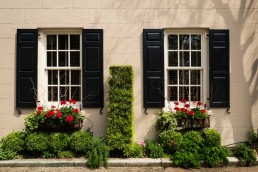
When it comes to selecting windows for your home, particularly during window replacement projects, the choice often comes down to comparing materials that will best suit your aesthetic desires and functional needs. Among the myriad of options, vinyl and wood windows stand out for their unique benefits and drawbacks. Understanding these can help you make an informed decision tailored to your specific home environment.
Vinyl Windows: Affordable and Low Maintenance
Vinyl windows are known for their durability and cost-effectiveness. Made primarily from PVC (polyvinyl chloride), these windows require little maintenance and are resistant to moisture, making them a great option for many Canadian homes. They do not need painting or sealing, which significantly reduces upkeep efforts over time.
One of the most significant advantages of vinyl windows is their energy efficiency. With good insulation properties, they can help reduce heating and cooling costs. However, vinyl is not without its limitations. The material can expand and contract significantly with temperature changes, which may affect long-term durability. Additionally, options for colours and styles are more limited compared to wood, potentially restricting your design choices.
Wood Windows: Naturally Aesthetic and Customizable
Wood windows offer a timeless look that can enhance the natural appeal of any home. They are highly customizable, available in a variety of styles and finishes, which makes them particularly attractive for owners of traditional or historical homes. Moreover, wood can be an excellent natural insulator.
However, wood windows come with higher maintenance requirements. They need to be regularly painted or stained to prevent weather damage such as warping or rotting. This material can be more expensive not only in terms of initial cost but also in ongoing maintenance. Despite these costs, the aesthetic appeal and potential to increase a property's value make wood an appealing choice for many homeowners.
Comparative Considerations
Durability and Lifespan: Vinyl typically lasts longer without the need for repairs, while wood may suffer from environmental effects but can last decades if properly maintained.
Energy Efficiency: Both vinyl and wood provide good insulation, but the quality can vary depending on the manufacturing and installation.
Aesthetic and Design Flexibility: Wood wins in terms of aesthetic flexibility and potential to match with a home's historic character. Vinyl, while limited in appearance, offers a modern look that suits many contemporary designs.
Cost Comparison: Initially, vinyl is more cost-effective, but wood might offer better long-term value by increasing the resale value of the home.
Making the Right Choice
The decision between vinyl and wood windows often comes down to personal preference and specific needs. Consider the following factors:
Climate: In harsher climates, the superior insulation properties of vinyl might be more beneficial.
Home Style: Wood windows may be the better choice for historic or custom-designed homes where aesthetics are a priority.
Budget: If initial cost and low maintenance are key concerns, vinyl could be the more suitable option.
Making the Best Choice
Both vinyl and wood windows offer compelling benefits for homeowners, and understanding the benefits of replacing windows can guide your decision. Your choice will depend on your home’s style, your budget, and how much maintenance you’re willing to undertake. Vinyl windows might be the way to go for those seeking a cost-effective, durable option with less upkeep. Conversely, if you’re looking to enhance the traditional charm of your home and increase its value, wood windows are an excellent investment, albeit with more maintenance.
When selecting windows, consider how they will fit with the overall design of your home and what practical benefits they will bring in the long run. Whatever you choose, make sure it aligns with both your immediate needs and your long-term living environment goals.
Understanding the Role of Inert Gas in Window Performance
In the quest for energy-efficient homes, modern window technologies have evolved significantly, becoming crucial components in reducing energy costs and enhancing comfort. Among these advancements, the use of inert gas in window construction represents a leap forward in window performance. If you are considering using this advancement for your window replacement, well, this blog post is for you. It delves into the role of inert gas in windows, explaining its benefits and providing insights into choosing the right gas for your needs.
Basics of Window Construction
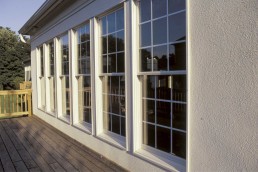
Modern windows are often double or triple-glazed, featuring two or three panes of glass, respectively, to improve insulation. The materials used in window frames and glass play a vital role in their performance, but the secret ingredient to their efficiency lies in the space between these panes. This space is filled with inert gas in insulated glass units (IGUs), significantly enhancing the window's thermal performance.
What is Inert Gas?
Inert gases, such as Argon, Krypton, and Xenon, are non-reactive gases that offer better insulation than regular air. These gases are chosen for their excellent thermal performance, which stems from their higher density compared to air, reducing the convective currents within the window and, consequently, the heat transfer.
Benefits of Inert Gas in Windows
The introduction of inert gas in windows brings several benefits:
Thermal Insulation: By reducing heat transfer, inert gas lowers energy bills and enhances indoor comfort.
Noise Reduction: The density of inert gases also contributes to sound insulation, making your home quieter.
UV Protection: Special coatings on IGUs can work with inert gases to minimize harmful UV radiation, protecting interiors from sun damage.
Longevity and Durability: Inert gas can extend the lifespan of windows by preventing condensation and maintaining thermal performance.
Comparing Different Types of Inert Gases
Argon is widely used due to its cost-effectiveness and good thermal performance.
Krypton offers enhanced thermal efficiency in narrower spaces, making it ideal for triple-glazed windows.
Xenon, though less common, provides superior insulation but at a higher cost.
Choosing the right inert gas depends on the space between panes, window size, and local climate conditions.
Installation and Maintenance
Professional installation is crucial to ensure the inert gas remains sealed within the IGU. Signs of seal failure include condensation between panes. Regular maintenance and inspections can help prolong the effectiveness and lifespan of inert gas-filled windows.
Cost vs. Benefit Analysis
While the initial cost of inert-gas-filled windows may be higher, the long-term energy savings can be significant. These windows offer an excellent return on investment (ROI), especially in extreme climates, and contribute to environmental conservation by reducing energy consumption.
Unlock the Secret to Comfy, Efficient Homes: The Power of Inert Gas in Your Windows
Inert gas plays an important role in enhancing window performance. By understanding the benefits and considerations of different inert gases, homeowners and commercial property owners can make informed decisions to maximize comfort, efficiency, and value. We encourage consulting with professionals to find the best window solutions tailored to your specific needs, ensuring that your investment today pays dividends in energy savings and comfort for years to come.

A Guide to Weather Stripping for Windows: Types, Installation, and Benefits
Do you ever feel a chill by the window even when the heat is cranked up? Or maybe you hear a constant whistle of wind during storms? Drafty windows can be a major source of discomfort and energy inefficiency in your home. While replacing windows altogether can be a solution, it's often a costly and time-consuming project.
This is where weather stripping comes in! A simple and affordable solution, weather stripping can significantly improve the performance of your existing windows. Before considering a full window replacement, this guide will equip you with the knowledge to tackle weather stripping yourself. However, if you're not comfortable with DIY projects, there are always reputable windows and doors contractors who can handle the installation for you.
This guide will delve into the different types of weather stripping available, how to choose the right one for your windows, and the easy installation process. By the end, you'll be well on your way to a more comfortable, energy-efficient, and quieter home!
When it comes to choosing the right weather stripping for your windows, there are several options available, each with its own advantages and considerations. Here's a breakdown of the most common types:
Self-adhesive Foam:
Pros: This is the easiest type to install thanks to its handy adhesive backing. It's also the most affordable option, making it a good choice for minor gaps around windows.
Cons: Unfortunately, self-adhesive foam isn't the most durable solution. It may compress over time and lose its effectiveness, potentially needing replacement every few years.
Pile Weather Stripping:
Pros: For larger gaps around windows, pile weather stripping offers a reliable seal. It's also a good choice if you're looking to block dust and allergens from entering your home. The fluffy pile creates a tight barrier.
Cons: Installation requires a groove in the window frame to accommodate the pile. This type of weather stripping might not be the most aesthetically pleasing for all window styles, especially modern ones.
V-strip Weather Stripping (Tension Seal):
Pros: Offering a balance of durability and low profile, V-strip weather stripping is a popular choice for double-hung and sliding windows. This metal or plastic strip forms a V-shape that springs open to bridge gaps and create a seal.
Cons: V-strip requires a flat surface for installation on the window frame. Installing it might be trickier compared to self-adhesive options.
Brush Weather Stripping:
Pros: For windows that are particularly drafty or prone to dust infiltration, brush weather stripping provides excellent protection. The brush bristles effectively block drafts and dust particles from entering your home.
Cons: Due to the constant friction, brush weather stripping may wear out faster than other types and require periodic cleaning to maintain effectiveness.
Metal Weather Stripping:
Pros: The most durable option on this list, metal weather stripping is often used on commercial buildings due to its long lifespan. Made from materials like bronze, aluminum, or stainless steel, it provides a very strong and lasting seal.
Cons: Metal weather stripping typically requires professional installation due to its rigidity and the potential need for specialized tools. Additionally, the industrial look might not be suitable for all window styles, particularly in residential settings.
With a variety of weather-stripping options available, selecting the best one for your windows requires considering a few key factors:
Gap Size: First and foremost, assess the size of the gaps around your windows. Self-adhesive foam works well for minor gaps (less than 1/16 inch), while pile weather stripping is ideal for larger gaps (up to 1/4 inch). Brush and V-strip can handle a wider range of gap sizes (up to 3/8 inch). Metal stripping, due to its rigidity, is best suited for minimal gaps.
Window Style: The type of window you have will influence your choice. For instance, V-strip excels with double-hung and sliding windows, while pile weather stripping might be better suited for casement windows with grooves to accommodate it.
Desired Durability and Aesthetics: Consider the trade-off between longevity and visual appeal. Self-adhesive foam is easy to install but requires frequent replacement. Pile weather stripping offers good durability but might not be the most attractive option. Metal stripping provides the longest lifespan but may not complement all window styles. Brush and V-strip offer a balance between functionality and aesthetics.
Remember, this is just a general guide. It's always recommended to consult the manufacturer's recommendations for specific products if you are installing the new weather-stripping on your own or consulting with your windows and doors contractor if you choose to have a professional install the weather-stripping.
Weather stripping installation is a relatively straightforward process that can be tackled by most DIY enthusiasts. Here's a general outline of the steps involved.
General Steps:
- Clean the window frame surface thoroughly with soap and water. Remove any dirt, dust, or debris that might hinder the adhesive's bond. Dry the surface completely before proceeding.
- Carefully measure the area where the weather stripping will be applied. It's always better to err on the side of caution and cut a slightly longer piece. You can always trim the excess later. Use a sharp utility knife or scissors to cut the weather stripping to the desired length.
- Following the specific instructions provided with your chosen weather-stripping product, apply it to the designated area on the window frame. For self-adhesive options, simply peel off the backing and press the strip firmly into place. Other types might require tapping them into grooves or using fasteners (consult the product instructions).
- Testing and Adjustments: Once the weather stripping is installed, close and open the window a few times to ensure it doesn't interfere with the window's operation. Check for any gaps or areas where the seal might be compromised. Adjust or minor trimming as needed.
Note: When handling metal stripping, wear gloves to avoid cuts. Be mindful of sharp edges on tools like utility knives and use caution while cutting. If you're unsure about any aspect of the installation process, consult a professional or refer to the manufacturer's instructions for detailed guidance.
Weather stripping offers a multitude of advantages for your home, making it a worthwhile investment, including:
- Slash energy bills: Seal drafts and maintain consistent temperatures, saving on heating and cooling costs.
- Boost comfort: Eliminate drafts for a more enjoyable indoor climate year-round.
- Quiet your home: Reduce outside noise pollution for a peaceful environment.
- Breathe easier: Block dust, pollen, and allergens from entering.
- Potentially increase home value: Showcase energy efficiency, a perk for potential buyers.
Drafty windows can be a thing of the past! Weather stripping is a simple, cost-effective solution that can significantly improve your home's comfort, energy efficiency, and overall value. By following the steps outlined in this guide, you can tackle weather stripping installation yourself. However, if you're more comfortable leaving it to the professionals, reputable windows and doors contractors are readily available to help with your project. Regardless of the installation method you choose, weather stripping offers a multitude of benefits, making it a worthwhile investment for any homeowner. So, why wait? Grab some weather stripping today and enjoy a more comfortable, energy-efficient, and quieter home!
A Touch of Tradition: The Timeless Appeal of Wooden Entry Doors
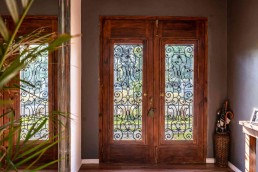
When deciding on a new look for the windows and doors of your beloved home, wooden entry doors stand as a solid choice. Wooden entry doors are full of character and present a timeless and classic look for your home. They are inviting, and valuable, and ensure that your home stands out as a masterpiece along your curb. Let's delve deeper into these timeless appeals below.
Wooden Entry Doors Are Versatile
The timeless charm of wooden entry doors lies in their celebrated versatility, a quality deeply rooted in the natural characteristics of wood and the artistry involved in their crafting. What makes this happen is the innate potential of wood as a material for a wide range of design possibilities.
Wood is a malleable material so it can be shaped and carved to your liking. Making it match your home’s architectural design or turning it into a centrepiece is not impossible. Whether you lean towards a classic, rustic, modern, or eclectic aesthetic, wooden doors can be fashioned to seamlessly blend with the overall look of your home.
The expansive choice of wood species also contributed to the versatility of wooden entry doors. Each species boasts a distinctive grain pattern, colour, and texture, giving you the freedom to pick the wood that perfectly complements your preferences and home style. From the opulent tones of mahogany to the lighter hues of oak, the array of wood options allows for a personalized and customized approach to design.
Lastly, the adaptability of wooden doors extends to their ease of staining or painting, providing even more flexibility in terms of colour choices. This simplifies the process of matching the door to your home's exterior colour scheme or making adjustments as your design preferences evolve over time.
Wooden Entry Doors Are Durable
Beyond just being visually appealing, the enduring strength of wood plays a pivotal role in its timeless appeal. Top-notch wooden doors, given the right care, can withstand the tests of time, standing firm against the forces of wear and tear. This resilience not only ensures a lasting investment but also allows the door to gracefully age, developing a unique patina that enhances its character over the years.
An essential factor contributing to this durability is the inherent strength of wood as a natural material. With a history of being used in construction for centuries, wood is renowned for its powerful yet flexible qualities. When thoughtfully selected and treated, certain wood species showcase remarkable resistance to wear and tear, making them ideal for exterior applications such as entry doors.
The craftsmanship and construction quality behind wooden entry doors also play a role in their durability. Meticulously assembled doors are made with precision that gives them structural integrity and enduring strength.
Moreover, the durability of wooden entry doors hinges on the application of protective finishes to the wood. Strategic sealing and finishing methods, including varnishes, stains, or paints, create a shield against the elements.
These finishes act as a barrier, preventing moisture infiltration—a critical aspect in averting issues like warping, rotting, or insect damage. Regular maintenance, such as resealing or refinishing as needed, becomes a key practice to further extend the door's lifespan.
Wooden Entry Doors Give A Natural Feel
Lastly, the natural feel of wooden entry doors is also a part of their enduring charm and timeless appeal. There are several aspects of this natural quality that make wooden doors particularly enticing for homeowners.
The first one is the tactile experience of touching wood, which creates a connection to nature unparalleled by other materials. Wood possesses a warmth and organic quality that resonates with our senses, offering a tangible and comforting feel. Running your hand over the grain of a wooden door can give you a profound sense of authenticity and craftsmanship, elevating the overall sensory experience of entering your home.
Adding to this appeal are the natural variations in wood grain patterns and textures. Each wooden door is a unique masterpiece, adorned with distinct markings, knots, and lines. The individuality of each wooden entry door gives them character, making it a standout feature in your home. The imperfections and irregularities in the wood grain tell a story of the tree's growth, further accentuating the natural origins of the material.
Embrace The Charm That Lasts
Now that you know the timeless beauty of wooden entry doors, it’s time to make a choice. Their natural warmth, unique textures, and enduring appeal bring a touch of authenticity to your home. With durability and customization options, wooden doors are not just an entrance; they're a statement reflecting your style and a connection to the beauty of nature. Elevate your home with the classic allure of wooden entry doors – where functionality meets enduring aesthetics.